
The Trilemma of Affordable Housing: Balancing Government Vision, Developer Offerings, and Rakyat's Aspiration
Throughout the world, the phrase affordable housing resonates with various stakeholders—governments, developers, and local citizens alike. It represents a critical aspect of any nation’s housing policy, which aims to ensure that every individual has access to safe, decent, and affordable living conditions. However, despite the acknowledgment of affordable housing as a national agenda in many countries, we seem to find ourselves further from the solution every day. With a growing population, rising construction costs, and a disparity in income levels, finding a sustainable solution to the affordable housing crisis appears to be more complicated than ever. This article delves into the reasons behind this trilemma by analyzing government vision, developer offerings, and the aspirations of the rakyat (people) to uncover why affordable housing remains an elusive goal.
In recent years, discussions around affordable housing have gained traction, possibly more so than ever before. Governments are pledging to make progress—setting ambitious targets to create new homes each year. However, these plans often clash with the realities of market conditions, political constraints, and the operational limitations of developers who are tasked with executing these visions. As citizens passionately voice their expectations, the question arises: how can we bridge this growing divide?
First, it’s crucial to unpack what exactly affordable housing means. Generally, it refers to housing that is deemed affordable to those with a median household income and requires no more than 30% of a family’s total income being spent on housing and utilities. This definition forms the basis for all stakeholders to engage in meaningful discussions around solutions and alternatives that cater to the needs of the population.
The Government's Vision for Affordable Housing
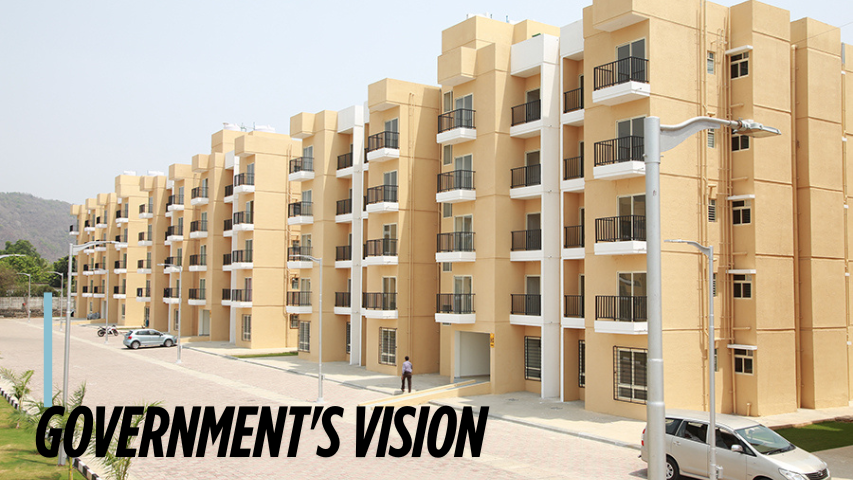
Most governments recognize that access to affordable housing is a critical aspect of social equity and economic stability. Policies often include measures such as subsidies, tax incentives for builders, and financial assistance programs for first-time home buyers. Unfortunately, there are instances where these policies do not translate into tangible outcomes.
For instance, some governments may set overly ambitious housing targets without aligning their plans with the realities of the local construction market. Projects can be stymied by bureaucratic red tape, inadequate public financing, and fluctuating market demands. Long-term planning is often sacrificed for short-term political gain, leading to a cyclical pattern of unmet targets and growing public frustration.
Successful policies must focus not only on quantity but also on quality. A true commitment to sustainable living means fostering communities that are well-planned and integrated with essential services. Examples of successful government-led projects—such as Singapore’s public housing model—demonstrate how effective planning and execution can yield positive results.
Developer Offerings and Market Challenges
While the government's role is to set a conducive environment for affordable housing, developers must respond to consumer demand within economic constraints. Unfortunately, many are finding it increasingly challenging to construct homes at prices that are viable for the average citizen. Rising land costs, shortage of skilled labor, and increasing material prices all contribute to the problem.
Moreover, where developers have made attempts to create affordable options, they often have to compromise on what 'affordable' means. For example, a developer may offer units priced below market rates; however, these homes tend to come with fewer amenities or be located in less desirable areas. This creates an additional layer of complexity as it fails to meet the expectations and aspirations of the rakyat—who often seek not only affordability but also quality living spaces.
To bridge this gap, innovation in construction methods, such as modular homes, and public-private partnerships can pave the way. Initiatives aimed at reducing excessive building regulations and providing favorable financing packages for developers can also encourage more affordable offerings.
The Rakyat’s Aspiration for Affordable Housing
At the core of this trilemma lies the rakyat's aspiration for a better quality of life. Homeownership is often viewed as a symbol of success, security, and community integration. However, the growing perception of housing unaffordability can lead to disenfranchisement and social unrest.
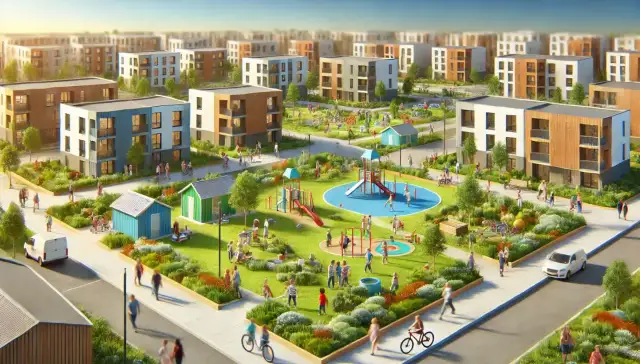
Today’s consumers are increasingly discerning, focusing not only on pricing but also on a holistic living experience. They want homes that are positioned within thriving communities, rich with amenities, and accessible to essential services. Unfortunately, too often, the housing solutions offered do not align with these desires, leading to a cycle of dissatisfaction.
Understanding and responding to the needs of the rakyat is crucial. Governments and developers need to collaborate with communities to ensure that any solutions are reflective of the aspirations and realities of those who will occupy these homes.

Bridging the Gap
As we tackle the trilemma of affordable housing, open communication and collaborative frameworks are essential. Stakeholders must engage with each other consistently, with shared goals of achieving true accessibility in housing. Community consultations, feedback mechanisms, and educational programs can help align the various interests at play.
Moreover, we must push for sustainable practices that integrate energy efficiency and smart technology into affordable developments. The integration of these elements not only enhances living conditions but also leads to savings on utility bills—adding to the overall appeal of affordable housing solutions.
Conclusion
The challenges surrounding affordable housing are complex and multifaceted. As we explored, they stem from a trifecta of competing objectives—a government's vision, developer capabilities, and the aspirations of the rakyat. It is clear that to make real progress, all stakeholders must work in concert toward sustainable solutions that honor both the need for affordability and the desire for quality living conditions.
In conclusion, the path forward necessitates innovation, collaboration, and a steadfast commitment to bridging the existing disparities in the housing market. As we navigate this journey, government initiatives, developer creativity, and community engagement will be the cornerstones of success.
If you’re looking to better understand the affordable housing landscape or wish to discuss potential investment opportunities more comprehensively, feel free to contact your local real estate agent for guidance.
For more insights, consider visiting Top Real Estate Marketing Strategies to Sell Your Home Fast, Your Comprehensive Guide to First Time Homebuyer Loans, and Exploring the Dynamics of Rental Markets as part of your research.