
Roku's Strategic Expansion in Los Angeles: Programming and Real Estate Growth
In the world of streaming services, Roku has dramatically shifted its position from being a minor player to become a formidable contender in just five years. When the Roku Channel launched, it offered a modest selection of 500 hours of licensed content, primarily featuring classic films. Fast forward to today, the channel has evolved, boasting over 80,000 on-demand shows and movies, and attracting an impressive 70 million viewers in the U.S. This ascent has been propelled by a significant investment in original programming, which positions Roku as a serious player in the content creation domain.
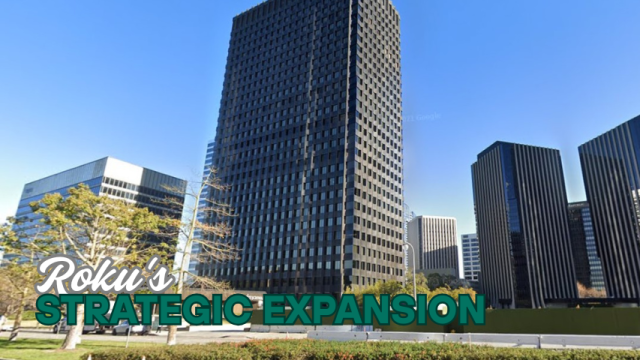
As Roku deepens its roots in original content, predominantly in the Los Angeles area where the entertainment industry thrives, it has embarked on an expansion strategy reminiscent of Netflix's early journey. The company's Santa Monica workforce has doubled, reflecting its ambitious plans in the rich landscape of Hollywood. In early 2021, Roku made headlines by leasing a new facility at the Colorado Center, aiming to accommodate its growing production ambitions. Rob Holmes, Roku’s vice president of programming, articulated this growth as a measure of the resources and investments Roku is allocating to strengthen its foothold in Los Angeles.
This evolution was significantly accelerated by Roku's acquisition of Quibi’s library, a bold move that brought over 75 shows into its portfolio. While the original platform failed to sustain a large audience, Roku has successfully rebranded these as Roku Originals. Notably, shows like “Die Hart” and “Most Dangerous Game” have already seen renewals for additional seasons due to their success on the platform. By leveraging its expansive distribution network, Roku can promise producers and creators a substantial audience, a crucial element for anyone venturing into new content development.
The Impact of Their Programming Strategy
Roku's strategic pivot towards producing original programming is more than just a method to attract viewers; it is a calculated effort to scale the platform's user engagement and enhance its ad-supported revenue model. By developing a variety of content, including unscripted series and scripted dramas, Roku has positioned itself to cater to diverse audience preferences. This includes competitions, lifestyle, adventure, and pop culture, among other genres, with production budgets that can compete with other major players in the industry.
For smart investors and producers, the promising financial backing behind these projects combines with Roku's technological capabilities. As Brian Tannenbaum, who heads original programming, indicates, Roku harnesses platform-wide data to inform its content creation process, ensuring that it aligns with viewer interests. This analytical approach not only reduces the risk often associated with media production but also cultivates a cycle of content curation that is both responsive and forward-looking.
This year, Roku has also expanded its programming to include long-standing legacy brands, such as acquiring “This Old House” and striking deals with various production houses, highlighting its commitment to investing in high-value content. All of this paints a promising future for Roku as it eyes even broader horizons within the streaming landscape.

Real Estate Implications of Roku’s Growth
Roku's burgeoning presence in Los Angeles has significant implications for the local real estate market. The company’s need for more workspace has contributed to a notable demand for commercial real estate, particularly in desirable locations like Santa Monica. With over 72,000 square feet committed to their new headquarters, Roku is set to become a significant employer in the area, bringing with it opportunities for growth not only in the tech sector but also for local businesses.
This booming environment is indicative of a broader trend where tech companies are increasingly embedding themselves within the heart of traditional entertainment territories. As streaming services rise to power, the demand for professional and creative talent has never been higher. Real estate investors and developers in Los Angeles are likely to see commercial real estate prices rise as companies like Roku drive a larger workforce into the city.
These developments are also beneficial for industries beyond just real estate, as they can spur job creation in various sectors, including construction, hospitality, and transport. As Roku’s plans unfold, other tech companies may follow suit, embedding themselves within diverse urban landscapes, further enhancing the growth dynamics of local real estate markets.
Conclusion: A Transformative Time for Roku and Real Estate
As Roku continues to enhance its lineup of programming while expanding its operational footprint in Los Angeles, it sets a precedent within the streaming industry and the surrounding real estate market. By positioning itself as a formidable competitor that prioritizes original content production, Roku is not only reshaping its business model but also impacting local economies through increased employment and demand for real estate.
The intersection of technology and entertainment will bring more innovations and adaptations as we move forward, and Roku is at the forefront of this evolution. For real estate professionals, understanding these dynamics is crucial, as they can inform future investment strategies and market assessments.
Investors interested in capitalizing on this growth should stay informed and proactive. Monitor the trends Roku and similar companies set in real estate usage as they align with their corporate strategies. Carefully examining market movements in key metropolitan areas can give investors the necessary insights to make sound decisions in real estate.
Stay updated on the developments in the real estate and streaming spaces to leverage opportunities as they arise. To learn more about navigating real estate investments in today's climate, see our article on Best Real Estate Investment Strategies for Beginners or check out Understanding Market Trends in Real Estate for insightful analysis. Explore other pivotal factors affecting current real estate negotiations, which can be found in our guide about The Impact of Smart Technologies on Building Efficiency in California.