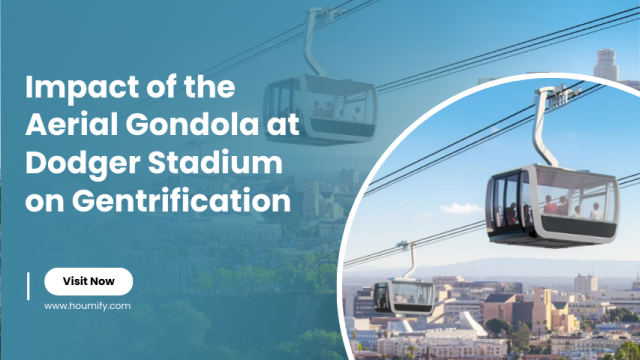

Impact of the Aerial Gondola at Dodger Stadium on Gentrification
The recent proposal for an aerial gondola at Dodger Stadium has ignited discussions and debates among community members, real estate professionals, and local government officials. This innovative transportation system, designed to facilitate easier access to the stadium, has raised significant concerns, particularly regarding the potential for accelerated gentrification in surrounding neighborhoods. Gentrification, which refers to the transformation of urban areas through an influx of new, often wealthier residents, can lead to rising property values and displacement of lower-income families.
As an experienced real estate agent, it is imperative to understand the dynamics this project could introduce. While transportation improvements can enhance accessibility and attract commercial investment, they also have the propensity to encourage real estate developments that prioritize profit over community needs. This article will explore the possible implications of the gondola project, from the economic impacts to sociocultural shifts, ensuring that current and prospective stakeholders have a comprehensive perspective. In addition, we will discuss how future homeowners, investors, and local residents can navigate these changes.
The Economics of Gentrification: A Double-Edged Sword
Gentrification is often a byproduct of urban revitalization efforts. In the case of the gondola at Dodger Stadium, the initiative aims to make access more efficient, thereby increasing visitors to the area. On the surface, this seems beneficial, but the underlying potential for rising housing prices and rents cannot be overlooked. According to a report by the Urban Institute, neighborhoods near improved amenities can see property values increase by up to 20% over a span of a few years.
This economic boon may be welcome for property owners who have held their investments for years but will present significant challenges for renters and lower-income buyers, who may find themselves priced out of their own neighborhoods. The result is often a cultural clash and a loss of long-standing community ties. The gondola and its associated developments could hasten this transformation, raising urgent questions about equitable growth.
Community Voices and Legal Action
As discussions around the aerial gondola unfold, community activists and local organizations have expressed their fears regarding the project, framing it as a catalyst for unwanted change. Many residents argue that the gondola will benefit newcomers while alienating current community members. These concerns have led to grassroots initiatives and even legal action to halt perceived sweetheart deals between city officials and private developers.
Inserting legal challenges into the equation complicates the discourse. Lawsuits aimed at stopping the gondola could highlight the power dynamics at play and reveal broader issues regarding transparency in public-private partnerships. Thus, it’s essential for stakeholders to engage in dialogue and ensure that development is inclusive, preserving the integrity of the neighborhood.
Real Estate Trends and Predictions: What You Need to Know
The emergence of the aerial gondola is indicative of broader trends in urban real estate, where transportation-oriented development is on the rise. Such projects can dramatically affect property values in ways that are both predictable and surprising. For example, in areas where public transit is enhanced, real estate agents often see a spike in interest from buyers who prioritize commute times as a condition of their purchasing decision.
- Increased access often equates to greater demand, particularly for rental properties.
- Investors may seek fixer-upper properties in the path of development for profit.
- Local businesses may experience a boost in foot traffic but must navigate changing consumer demographics.
For those considering entering the market, understanding these trends is crucial. Engaging with local communities while seeking investment opportunities will require a delicate balance of interests.
Looking Ahead: Navigating Change in the Property Market
As the situation around the aerial gondola evolves, it’s vital for all stakeholders to remain informed and involved. Local homeowners should not only consider the investment potentials but also the qualitative aspects of community and culture that can be impacted by rapid change. Investors must take a responsible approach, keeping in mind the social implications of their acquisitions.
In conclusion, the proposal for the aerial gondola at Dodger Stadium highlights the intricate relationship between infrastructure development and real estate markets. While the promise of improved access and economic growth is enticing, we must weigh those benefits against the risk of disenfranchising long-time community members. Education, advocacy, and proactive engagement with both local businesses and residents will be key strategies for mitigating negative impacts and fostering a more equitable space for all entities involved.
For those looking to stay informed about critical real estate topics and changes in market dynamics, consider exploring related articles such as Legal Rights Every Homeowner Should Know, How to Compare Interest Rates on Home Loans, and Home Selling Tips. These resources provide valuable insight that can help you make informed decisions in the real estate landscape affected by changes like those proposed at Dodger Stadium.