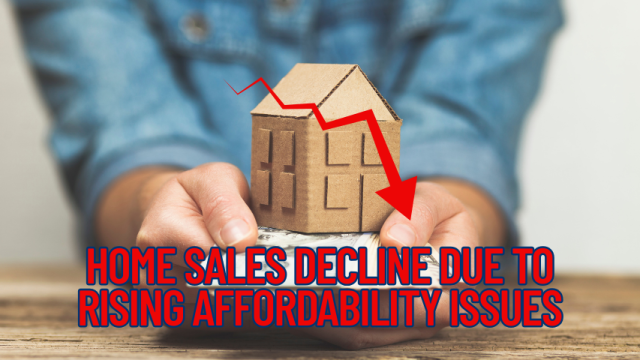

Existing Home Sales Decline Due to Rising Affordability Issues
The housing market has always been a reflection of the broader economy, and as trends fluctuate, it’s vital for homebuyers, sellers, and investors to stay informed. Recently, data from the National Association of Realtors revealed a notable decline in existing home sales in February, attributing the downturn to rising affordability concerns and escalating home prices. For those navigating the real estate market, understanding these trends is crucial.
As an experienced real estate agent, I can attest that the market is currently undergoing significant shifts that directly affect purchasing power. The existing home sales dropped by 7.2% from January, clocking in at a seasonally adjusted annual rate of 6.02 million in February. This trend is not isolated to just one part of the country; each of the four major U.S. regions experienced month-over-month declines in sales.
What’s particularly interesting is that while the overall transaction numbers fell, some regions are demonstrating resilience. For instance, the South saw an uptick in existing home sales despite a general decrease across the board. This pattern indicates underlying factors affecting different regions variably, and as an agent, I always encourage clients to assess local market conditions precisely.
Understanding the Factors Behind Declining Sales
The most pressing factor contributing to the decrease in home sales is the reaction to housing affordability. As Lawrence Yun, NAR's chief economist elucidated, buyers are facing rising mortgage rates and sustained home price increases that are making purchasing a home less attractive. A year ago, many potential homebuyers could secure loans at around 3%, and now, those same individuals may find themselves priced out of the market due to loans exceeding 4%.
This rise in mortgage rates paired with escalating prices is a double whammy for buyers. To put it into perspective, the monthly mortgage payments rose by 28% compared to the previous year. It’s vital to understand how these rising costs translate into the overall investment in a home. New buyers today face a reality where their purchasing power is fundamentally weakened due to these economic pressures.
Another significant factor contributing to this dwindling supply of affordability is the low inventory of homes available on the market. As of the end of February, total housing inventory stood at 870,000 units, an increase of just 2.4% from January yet a substantial drop of 15.5% year-over-year. Unsold inventory sits at a mere 1.7-month supply at the current sales pace—still significantly below the 2 months in February 2021. This low inventory further exacerbates the affordability crisis, driving prices up as competition for homes remains fierce.
The Impact of Inflation and Construction on the Market
As inflation continues to rise, many consumers find their savings eroding, thus affecting their ability to make large purchases such as homes. Yun’s observations highlight the growing purchases' pressure on consumers' finances. However, there's a glimmer of hope; he suggests that as demand cools and supply gradually improves thanks to increased construction efforts, we might see a slowing pace of price appreciation.
Much of the recent price growth can be attributed to sustained demand coupled with insufficient housing supply. The median existing-home price for all housing types in February reached $357,300, reflecting a 15% increase from the previous year. This consistent rise over 120 months marks the longest streak on record, underlining the ongoing challenges buyers face. Investors often need to strategize carefully in situations where market conditions dictate a need for agility.
New home construction will be essential in the coming months as it assists in alleviating immediate supply shortages. While there may be rising costs of material and labor, there’s potential for new development projects that can cater to a broad range of buyers. For a better understanding of market dynamics, I always recommend local market analyses that provide insights into anticipated trends.
Navigating the Market as a Buyer or Seller
If you’re a potential buyer, it’s essential to assess your long-term goals in this fluctuating environment. Understand your financial position and be prepared for potential increases in mortgage payments. Your credit score plays a pivotal role in securing favorable mortgage rates; thus, maintaining a healthy score should be a priority.
Additionally, focusing on first-time home buyers can be particularly advantageous. With first-time buyers accounting for 29% of February sales—up from 27% in January—it's evident there is still a market segment actively seeking opportunities. Planning your budget thoroughly and understanding possible financial assistance programs available can help secure the best possible financial outcome.
Sellers should recognize that despite declining sales numbers, opportunities still exist. Homes are being sold with multiple offers, often commanding higher prices due to their limited availability. It is critical to optimize the home sale process through strategic marketing and presentation to attract serious buyers despite the current climate.
Conclusion: The Path Forward in a Shifting Market
As we look toward the future of the real estate market, the growing challenges surrounding affordability and inventory are clear. Buyers, sellers, and investors must equip themselves with sound knowledge and insights to navigate these turbulent waters. Tackling these issues requires understanding the broader economic factors at play and examining local market data.
If you’re considering entering the housing market—whether buying, selling, or investing—now is the time to consult with a knowledgeable real estate agent who can guide you through the process. With the right support, you can make informed decisions that align with your financial goals while optimizing your investment potential.
For further insights on market trends and best practices, consider checking out these related articles: Economic Diversity's Effect on Housing Market Stability in Texas, How to Prepare Your Home for Sale: Tips for staging, decluttering, and upgrading, and The Ultimate Home Buying Guide: Navigating the Real Estate Maze.