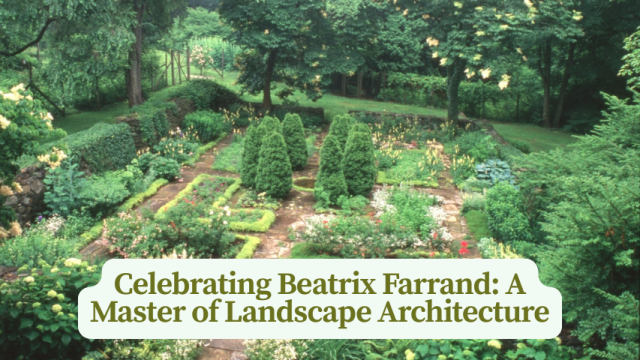

Celebrating Beatrix Farrand: A Master of Landscape Architecture
Every March, as we celebrate Women’s History Month, it is fitting to take time to reflect on the remarkable accomplishments of women in various fields. One standout figure in landscape architecture is Beatrix Farrand, whose work has shaped American gardens and public spaces in profound ways. Born 150 years ago, her legacy continues to resonate, reminding us of the immense contributions women have made in a traditionally male-dominated profession.
Beatrix Farrand was not just a pioneer; she was a force of nature who left an indelible mark on American gardens and parks. During a time when women were expected to adhere to domestic roles, Farrand carved out a path for herself, becoming one of the 11 founders of the American Society of Landscape Architects in 1898. Her relationship with her esteemed aunt, Edith Wharton, provided both inspiration and support, as they shared not only familial bonds but also a commitment to excellence in their respective fields. As we delve into her extraordinary journey, it is clear that her story is one of courage, creativity, and resilience.
This year is particularly significant as several of Farrand’s notable gardens are undergoing restoration, and a previously private garden has opened to the public for the first time. Furthermore, Judith Tankard's biography, Beatrix Farrand: Garden Artist, Landscape Architect, is set for publication, aiming to shine a spotlight on Farrand’s influential career and her role in paving the way for future generations of women in landscape architecture. This exploration not only celebrates her achievements but also invites visitors to connect with her work through various gardens enhanced by her design brilliance.
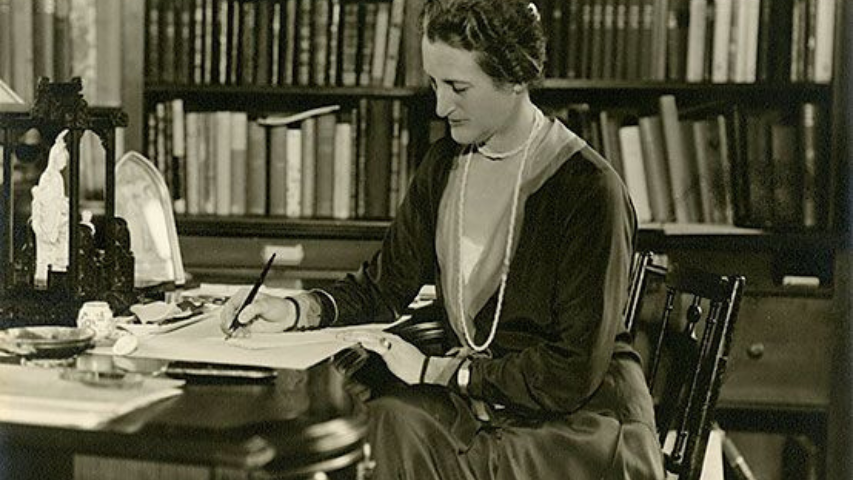
The Life and Times of Beatrix Farrand
Farrand’s journey in the world of landscape architecture began in New York City, where she actively sought out clients from her extensive social network. Among her early advocates was Charles Sprague Sargent, the founding director of Harvard’s Arnold Arboretum and an influential figure in the botanical community. With Sargent's guidance, Farrand honed her skills and garnered attention for her innovative designs.
Farrand’s talent quickly became evident, leading to notable commissions, such as the East Garden at the White House, which she designed in collaboration with various elite clients, including some of the wealthiest families in America. Her work was characterized by a refined sense of aesthetics and an understanding of horticultural practices that made each garden not only beautiful but functional. Her designs showcased her ability to use scale, color, and material with utmost precision, enhancing the natural beauty of the landscapes she transformed.
Her influence can be seen across some of the most prestigious institutions in the United States. As the first consulting landscape architect for distinguished universities like Yale and Princeton, she set a precedent for women in landscape architecture, challenging the status quo and demonstrating that women could excel in fields traditionally reserved for men.
The Gardens of Beatrix Farrand: Exploring Her Masterpieces
As we celebrate Farrand's work, many of her gardens are being restored, providing opportunities for the public to explore and appreciate her craftsmanship. Notable sites include the gardens at Hill-Stead Museum and Harkness Memorial State Park in Connecticut, both of which welcome visitors and honor her vision. These gardens are not just public spaces; they are living testimonies of Farrand’s legacy and her understanding of landscape design as an art form.
The meticulously maintained garden she designed for Abby Aldrich Rockefeller in Seal Harbor, Maine, remains virtually unchanged since its inception in 1926. Now managed by a landscape non-profit, this gem opens its doors to the public for limited periods, offering glimpses into Farrand's genius.
Visiting her gardens is a unique experience, giving insight into her approach to design, which incorporated practical concerns such as path placement and material selection, ensuring that each garden harmoniously connected to the architecture surrounding it. Farrand’s gardens invite contemplation and exploration, revealing her profound understanding of human interaction with natural spaces.
Honoring Her Legacy: The Future of Landscape Architecture
As we reflect on Beatrix Farrand’s contributions during Women’s History Month, her story continues to serve as an inspiration for the next generation of landscape architects. Judith Tankard emphasizes the importance of celebrating Farrand not only for her design work but also for opening doors for women in the field. Today, women make up nearly half of the student population in landscape architecture programs across the country, a testament to Farrand’s lasting impact.
Tankard’s upcoming lectures at the Garden Conservancy and the Institute of Classical Architecture and Art promise to further illuminate Farrand’s significant role in landscape architecture and her profound influence on female designers today. Through education, awareness, and appreciation, we honor her legacy and encourage a more inclusive future in the field.
Conclusion: Connect With Beatrix Farrand's Legacy
In conclusion, Beatrix Farrand stands as a remarkable figure in the landscape architecture domain, a pioneer whose creative spirit and assertive approach paved the way for countless women. Her gardens offer a space for reflection, showcasing the beauty and intricacies of nature through the lens of meticulous design. Whether you are a professional in the field, an aspiring designer, or simply a garden enthusiast, the opportunity to explore her gardens is an invitation to connect with history and inspiration.
As you celebrate Women’s History Month, consider visiting one of Farrand’s restored gardens or reading her biography to gain deeper insights into her life. Each visit not only honors Farrand’s legacy but encourages dialogue about the significance of women in landscape architecture today. To continue your journey, explore articles on how investing in real estate can support local economies, the real estate market trends, and the latest design trends shaping our environments. Together, we can foster a dialogue that honors our past and empowers the future of women in real estate and beyond.