

Addressing a Leak in Your Bathroom Ceiling: Steps to Take
Ah, the joys of homeownership. It’s a rewarding yet sometimes challenging journey filled with unexpected twists and turns. Just when you think you’ve tackled a seasonal home maintenance checklist, you discover a new issue knocking at your door. Remember the peeling paint in the bathroom ceiling that I mentioned last week? The peeling paint I felt certain was due to humidity from the shower and lack of adequate ventilation? Well, I was wrong. The paint is peeling because we have a leak in the roof.
It seems to be a small leak, but it’s a serious issue nonetheless, and addressing it promptly is critical to maintaining the integrity of your home. Recently, I noticed a tea-colored water stain in the area where the paint had peeled. Recognizing the signs of a leak early can save you time, money, and stress down the line. I snapped a photo and knew I had to take action.
With a busy schedule, I drove up to the family box factory, where my brother and I spent several hours waiting for Mom to be discharged from the hospital. While we waited, we sorted through her paperwork to ensure we had everything in order. We updated her personal finance records and chatted about the future. However, my mind kept drifting back to the leak. In the end, Mom was not released from the hospital on Monday, so I drove home in the heavy rain. When I arrived, I checked the water spot in the bathroom ceiling. Had it grown? It had.
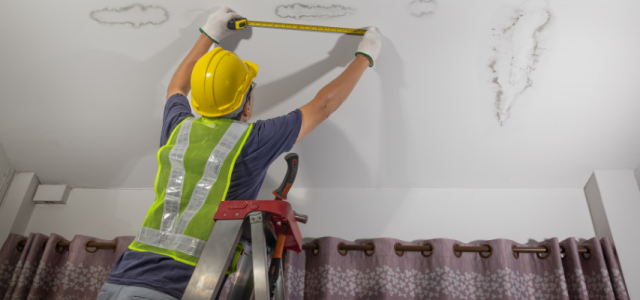
Identifying the Source of the Leak
The first step in addressing a leak in your bathroom ceiling is to identify its source. Leaks can arise due to several factors such as roof damage, plumbing issues, or even condensation. In my case, it was evident that I needed to inspect the roof. If you are not comfortable climbing onto your roof or looking in your attic, consider hiring a professional to perform a thorough inspection. Common sources of leaks include:
- Damaged roof shingles: Missing or broken shingles can easily allow water to penetrate.
- Clogged gutters: When gutters overflow, water can back up and seep through the roof or walls.
- Flashing issues: The metal flashing around chimneys or vent pipes may be rusted or improperly installed.
- Pipes and plumbing: Water supply or drainage pipes running through ceilings can develop leaks from wear or corrosion.
Understanding where the leak originates is crucial as it dictates the repair approach you will need to take. Take photos and notes about any visible signs of damage as they will be helpful for contractors if you choose to hire one.
Addressing the Leak: DIY or Professional Help?
Once you’ve pinpointed the source, the next step is determining whether to handle the repairs yourself or hire a professional. If you’re handy with tools and have experience in home repairs, you may feel comfortable tackling minor fixes on your own. Simple tasks such as replacing damaged shingles or cleaning out gutters can often be done without needing expert assistance.
However, for more complicated issues such as significant roof repairs, plumbing fixes, or if you’re not entirely sure what the problem is, it’s usually best to consult with a professional. The investment in a qualified contractor can save you from potential mistakes that could lead to further damage and higher repair costs. When selecting a contractor, ensure to:
- Check references and read reviews.
- Verify their licensing and insurance.
- Request multiple quotes to understand the cost.
Additionally, feel free to ask your real estate agent for recommendations for trusted local contractors who can assist with repairs.

Preventive Measures to Avoid Future Leaks
After addressing the current leak, it’s a great idea to take preventive measures to avoid future issues. Proactive maintenance can save you money and headaches down the road. Here are some suggestions:
- Regular roof inspections: Schedule an expert inspection at least once a year, especially after severe weather changes.
- Maintain gutters and downspouts: Clean your gutters regularly to prevent overflow and ensure they drain properly.
- Ventilate your bathroom: Install fans to reduce moisture build-up that can contribute to leaks and mold.
- Seal and insulate plumbing: Make sure pipes are properly insulated to prevent condensation during extreme temperature changes.
Taking the time to perform these maintenance tasks can greatly decrease the chances of encountering significant leaks and potential structural damage in your home.
Conclusion: Act Fast to Minimize Damage
In conclusion, discovering a leak in your bathroom ceiling can be concerning, but it’s essential to approach the situation methodically. Identifying the source of the leak, determining whether to undertake the repairs yourself or enlist professional help, and implementing preventive strategies are all vital steps in maintaining a safe and sound home.
If you notice signs of water damage, don’t delay addressing the issue. The longer you wait, the greater the potential for costly repairs. Whether you're a seasoned homeowner or just starting, knowledge about managing home repair issues can empower you to make smarter decisions. If you're looking to learn more about home maintenance and real estate, check out these articles for deeper insights:
- The Ultimate Guide to Home Inspections
- Mastering the Real Estate Market: Essential Tips and Insights for Success
- The Real Cost of Selling a House: What You Need to Know
For more information and resources about real estate, or if you’d like to connect with a local agent, don’t hesitate to reach out. Together, we can ensure your home remains a safe and welcoming sanctuary.