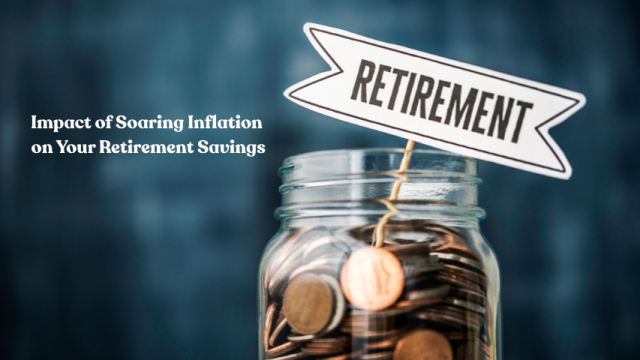

Understanding the Impact of Soaring Inflation on Your Retirement Savings
The recent surge in inflation has become a pressing topic for many as it challenges the traditional notions of delivering a comfortable retirement. For retirees and those nearing retirement age, the implications of rising prices can be far-reaching, influencing everything from savings strategies to investment decisions. What exactly does soaring inflation mean for your financial future, and what steps can you take to mitigate its effects? In this comprehensive exploration, we will delve into the motivations behind inflation, its anticipated longevity, and how to adjust your financial plans accordingly.
The inflation rate defines how much prices for goods and services increase over a certain period, which inversely affects the purchasing power of money. This effect can be particularly debilitating for retirees relying on fixed incomes. When inflation rates are high, the value of money diminishes, meaning that the same amount of money buys fewer goods and services over time. As Jason Heath aptly noted, the *time horizon* for adapting to rising prices and the impacts of what may have been deemed 'transitory' inflation are now evident to be of a much longer duration with widespread implications.
In this article, we'll primarily address key areas to help you understand how rising inflation rates can influence your retirement planning and provide actionable tips to adjust your financial strategies effectively. We'll cover the concepts of *inflation-adjusted retirement savings*, the shift in *investment strategies*, upcoming trends in *real estate values*, and suggestions for *navigating costs* associated with retirement living. Furthermore, this article will guide you on the importance of reassessing your retirement income and expense strategy based on current and projected inflation levels.
The Complexities of Inflation
Inflation rates have been rising at unprecedented rates, largely propelled by factors such as supply chain disruptions, shifts in consumer behavior due to the pandemic, and economic recovery efforts. These nuanced dynamics are vital for understanding how inflation affects *retirement planning*. One key concept to grasp is how different categories of expenses are impacted by inflation.
For instance, basic living costs such as food and housing often escalate more rapidly than general inflation rates due to supply constraints. According to recent data, food prices alone have soared by over 20% in the past year as the drive for sustainable alternatives continues to reshape the market. This discrepancy highlights the importance of being proactive when estimating future costs in your retirement budget.
- Healthcare Costs: As we age, healthcare becomes a significant component of our retirement expenses, and healthcare inflation has traditionally outpaced general inflation rates. It's critical for retirees to understand this trend and plan for additional coverage or expenses in their budgets.
- Housing: Rising housing costs can take a considerable toll on retirees, particularly those who own homes. Keeping an eye on areas with increasing property values and rental prices can help form a strategy for home equity management or relocation plans.
- Transportation: With rising fuel costs affecting transportation expenses, evaluating lifestyle changes to reduce dependency on vehicles can also be a pressure-easing strategy.

Adjusting Your Retirement Income Strategy
To combat inflation's impact on retirement funds, adjusting your income strategy becomes imperative. This includes considerations on Social Security, pension plans, and investment portfolios. First and foremost, understanding the formula behind your *Social Security benefits* is crucial; they are typically indexed to inflation. This means that as inflation rises, your benefits should, in theory, keep pace, but relying solely on these benefits can be limiting.
Furthermore, the rise of inflation requires a reassessment of *investment strategies*. Depending solely on fixed income investments may lead to insufficient growth in your retirement savings to keep up with rising costs. Instead, consider diversifying portfolios with allocations into inflation-protected securities such as Treasury Inflation-Protected Securities (TIPS), real estate investment trusts (REITs), and commodities.
- Consider Real Estate Investments: Real Estate investment trusts (REITs) often provide a hedge against inflation and have historically provided higher returns compared to traditional stocks over extended periods. Engaging in *real estate investments* can grant better cash flow management while capitalizing on appreciating assets.
- Diversify Your Placements: Integrating a mix of stocks, bonds, and alternative investments can help to offset inflation risks while maintaining growth potential.
- Regularly Review Your Portfolio: Schedule periodic portfolio reviews to ensure your investments align with your long-term goals and inflation rates. Consulting a licensed financial advisor can also provide tailored support.
Future-Proofing Your Retirement
As we conclude this examination of the effects of soaring inflation on retirement strategies, it's prudent to note that *future-proofing* your retirement is not just an action—it's a continual process. Start by establishing an ongoing dialogue about your retirement finances, tracking inflation indicators, and adjusting your financial strategies ahead of time. This proactive approach can help safeguard the financial goals you’ve set for a comfortable retirement.
In addition to the financial aspects, keep an eye on potential legislative changes, such as adjustments to Social Security or Medicare, which could play a significant role in your retirement planning. Engaging with community discussions or consultations about local government decisions may empower you to make informed decisions that align with broader economic movements.
Ultimately, soaring inflation doesn’t need to signal the end of secure financial planning for retirees. By educating yourself, adjusting your strategies, and decisively managing your assets, the challenges of inflation can be effectively met, paving the way for a resilient and fulfilling retirement.
Conclusion
In today's ever-changing economic landscape, understanding the implications of rising inflation is critical for securing your retirement. By examining the multi-faceted impact inflation has on various aspects of retirement planning—from income sources to housing costs—individuals can adjust their strategies to enhance financial security.
Consider revisiting your financial goals regularly, examining diverse investment options to ensure you're best positioned to manage upcoming inflationary pressures. Addressing inflation head-on empowers you to not only maintain your current lifestyle but also afford the flexibility to enjoy new experiences as you transition into retirement.
Feel free to reach out to a licensed real estate agent if you need guidance on managing real estate investments or if you are navigating the evolving dynamics of the property market amid inflation. Ensuring your retirement strategy is robust in the face of inflationary trends can lead to a more secure future.
Finally, keep abreast of relevant articles and information that can assist you on your journey, such as The Best Refinance Options 2024 and Understanding Homeowners Insurance. Knowledge is power, especially when it comes to securing your retirement against threats like inflation.