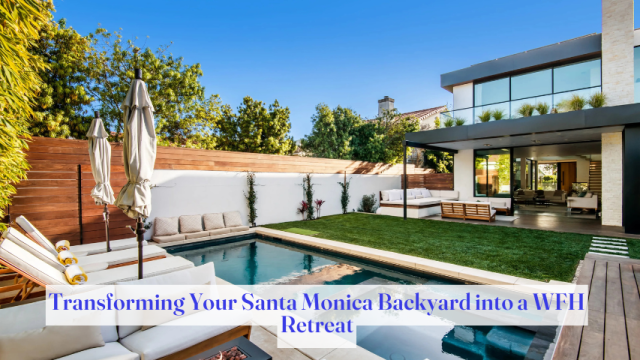

Transforming Your Santa Monica Backyard into a WFH Retreat
The rise of remote work has transformed the way we view our living spaces. With more individuals and families seeking innovative solutions for home office setups, the demand for accessory dwelling units (ADUs) has skyrocketed. One recent success story is a tiny home nestled in a Santa Monica backyard, measuring just 320 square feet. This eco-friendly addition has not only provided a dedicated workspace but also a comfortable guest accommodation when needed.
ADUs present a simple yet effective solution to address the challenges of limited living space, particularly in dense urban environments. As remote work becomes a long-term trend rather than a temporary arrangement, optimizing our homes for productivity is essential. In this article, we will explore how this tiny home in Santa Monica was designed and implemented, discuss the benefits of incorporating a WFH retreat into your backyard, and offer practical tips to guide homeowners and investors looking to maximize their properties.
Through real-world examples and the latest trends in the real estate market, we aim to provide valuable insights that will benefit homebuyers, sellers, and real estate professionals alike. Additionally, this tiny home could inspire others to consider eco-friendly housing alternatives while also enhancing their property value.
The Need for a Dedicated Workspace
As we adapt to the changing landscape of work, the need for a dedicated office space becomes more pronounced. Working from home can blur the lines between personal and professional life, making it crucial to have an assigned area that fosters productivity and focus.
Creating a work-from-home retreat can significantly improve your work-life balance. Here are some reasons why:
- Separation of Workspace and Home Life: By having a designated office within a separate structure like a tiny home, you create a physical boundary that can help reduce stress and distraction.
- Enhanced Focus: A purpose-built environment helps in establishing a routine and enhances concentration, leading to greater productivity.
- Flexibility for Guests: As seen in the Santa Monica example, these spaces can serve dual purposes, providing a welcoming guesthouse when not in use for work.
Building an ADU can also allow homeowners to avoid the need for a full property remodel or relocation, keeping costs down while providing the necessary flexibility.
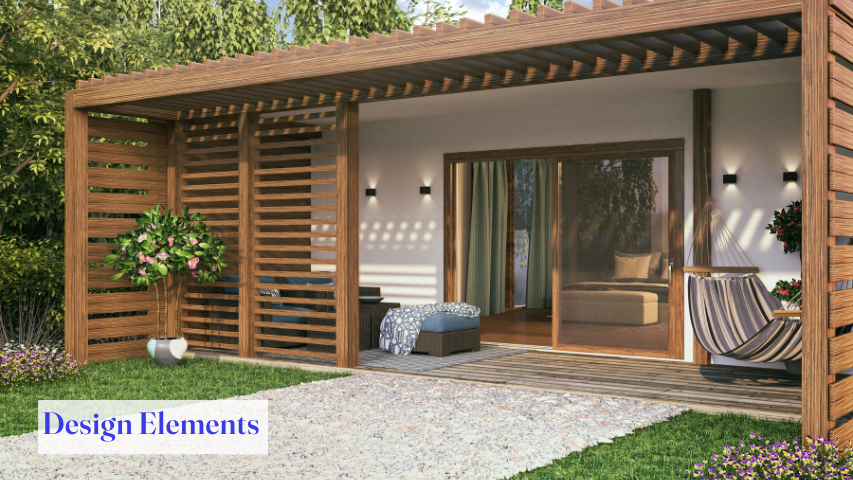
Design Elements of the Tiny Home
The Santa Monica tiny home incorporates various design elements that ensure both functionality and aesthetic appeal. Here are some key features:
- Eco-Friendly Materials: Sustainable building materials not only contribute to environmental conservation but can also enhance energy efficiency.
- Multi-Purpose Rooms: Open floor plans and adaptable spaces allow for versatile usage, adapting to the owner's needs over time.
- Natural Light: Strategically placed windows and skylights create a bright environment that improves mood and productivity.
Each aspect of the design reflects thoughtful consideration of the user's needs and the surrounding landscape, emphasizing harmony with nature and enhancing the overall living experience.
Cost Considerations and Return on Investment
Investing in an ADU requires careful financial planning. While the cost of constructing a tiny home can vary based on materials and design choices, homeowners can expect some necessary expenses:
- Construction Costs: Depending on the specifications, costs can range widely, but many homeowners find the investment worthwhile given the potential for rental income or increased property value.
- Permits and Zoning: Securing the appropriate permits is crucial. It’s essential to consult local regulations regarding ADU constructions to avoid potential penalties.
- Utilities: Establishing separate utilities for the tiny home could involve additional costs.
However, homeowners can realize long-term benefits, including increased property values and rental income potential. Additionally, as the demand for short-term rentals grows, the tiny home can easily adapt to serve as a vacation rental, generating passive income for the owner.
Conclusion
Turning your Santa Monica backyard into a WFH retreat with a tiny home is not just a trend—it's a lifestyle adjustment that addresses the growing need for flexible living spaces. The eco-friendly attributes of this tiny home exemplify how smart, sustainable decisions can enhance daily life while accommodating guests.
For homeowners, embracing this change can lead to a significant return on investment both personally and financially. If you’re considering a similar project, now is the time to explore your options. Whether it's through an eco-friendly ADU or another creative solution, enhancing your living space is an investment in your future.
For more insights, explore our article on home improvement strategies, or if you are considering adding value to your property, take a look at our piece on home additions. Additionally, if you're exploring financing options for a new property, check out our guide on 1031 like-kind exchanges to better understand your investment potential.