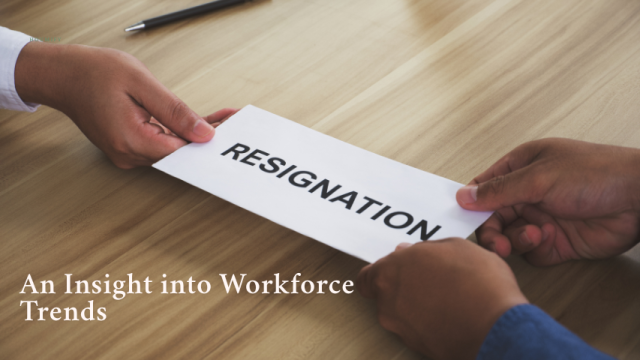

The Great Resignation: An Insight into Workforce Trends
The phenomenon known as the Great Resignation has captivated both employers and employees alike, raising questions about the future of work across various industries. Since the spring of 2021, millions of Americans have decided to leave their jobs, sparking a nationwide trend that shows no signs of slowing down. The term was popularized by workplace expert Anthony Klotz, highlighting the unexpected shift in employee attitudes towards their jobs, work-life balance, and overall job satisfaction. In this article, we will delve into the reasons behind this mass departure of workers, the implications for both employees and employers, and what it means for the future of the labor market.
Understanding the Great Resignation requires an exploration of multiple factors that have converged in recent years, including the impact of the COVID-19 pandemic, rising demands for flexible work arrangements, and a growing emphasis on mental health and well-being. As we navigate through this complex landscape, we will discuss the key reasons employees are calling it quits, the aftermath of their decisions on various sectors, and strategies for companies aiming to retain talent in this new era.

Understanding the Causes of the Great Resignation
The motivations driving the Great Resignation are multifaceted and vary greatly among individuals. One primary factor is the shifting mindset of employees who are reassessing their priorities after experiencing the disruption caused by the pandemic. Workers are now looking for roles that not only compensate them fairly but also align with their personal values and offer a sustainable work-life balance.
Moreover, the rise of remote work has played a significant role in shaping employee expectations. Many workers have enjoyed the flexibility and autonomy that comes with working from home, prompting them to seek positions that offer similar work arrangements. As a result, companies that fail to adapt to these new expectations may find themselves struggling to attract and retain talent.
Additionally, workforce demographics are shifting, with younger generations entering the job market. Millennials and Generation Z place a higher value on career mobility and job satisfaction than previous generations, leading to an increased willingness to leave positions that don’t meet their evolving standards. This shift is prompting organizations to reevaluate their workplace cultures and benefit packages to remain competitive.
The Impact on Employers
The Great Resignation poses significant challenges for employers attempting to manage their teams amid high turnover rates. With a competitive job market, firms are finding it increasingly difficult to fill open positions, and the resulting talent shortages can hinder productivity and growth. Employers are now being forced to become more proactive in addressing employee needs, from enhancing workplace culture to providing better support for mental health.
Many organizations are beginning to explore innovative solutions to improve employee retention. This includes implementing more substantial employee engagement programs, offering flexible working arrangements, and investing in professional development opportunities. By embracing these initiatives, companies can foster a sense of loyalty and dedication among their employees.
Moreover, some companies are realigning their recruitment strategies to emphasize diversity and inclusion, aiming to create more equitable work environments. This shift not only attracts a more diverse workforce but also augments the company’s reputation and brand strength in an increasingly socially conscious market.
The Future of Work: Navigating the New Normal
As the Great Resignation continues to shape the employment landscape, it becomes vital for organizations to adapt and be resilient in this changing environment. Understanding the root causes behind employee disengagement can provide valuable insights into how to future-proof workforces. Trends such as remote work and a high priority on mental well-being are likely to persist in the coming years.
Organizations that prioritize a culture of open communication, flexibility, and support will likely be the ones that thrive in this new landscape. The relationship between employers and employees is evolving, with a strong emphasis on partnership rather than hierarchy, as both parties navigate this challenging terrain together.
Moreover, companies that stay attuned to the needs and desires of their workforce will have a much greater chance of success in maintaining a robust talent pool. Strategies should entail regular feedback measures, employee recognition, and opportunities for professional advancement. This will not only achieve a more harmonious workplace but also enhance overall job satisfaction.

Expert Recommendations and Strategies
- Foster a Positive Work Culture: Create an environment that values employee contributions and recognizes achievements. Regularly celebrate successes.
- Offer Flexible Work Arrangements: Facilitate remote work options and flexible hours to accommodate personal needs and boost morale.
- Invest in Employee Development: Prioritize training and career growth opportunities to empower employees and enhance their skills.
- Encourage Open Communication: Establish channels where employees can share their thoughts and feedback openly, creating a more inclusive atmosphere.
- Focus on Employee Well-being: Implement wellness programs that support mental health and provide resources for coping with stress and work-related pressures.
Conclusion
The Great Resignation serves as a critical reminder of the evolving landscape of the workplace and the importance of adapting to the changing needs of employees. As we move forward, both businesses and workers must engage in a dialogue that emphasizes flexibility, mutual respect, and support. In this way, organizations can build a resilient workforce that is equipped to navigate future challenges.
If you are contemplating a career change or are an employer seeking solutions to retain talent, it is essential to stay informed and proactive. Understanding the dynamics of this phenomenon will empower you to make better decisions for your career or workplace.
For further insights into navigating the often-complex world of real estate investments and finances, consider exploring these articles: Navigating Home Buyer Rebate Programs in Texas, The Ultimate Guide to Investing in Real Estate, and Selling a House Without a Realtor: A Comprehensive Guide.