
Stop, Look and Think: Safeguarding Your Financial Information Against Cybercriminals
In an increasingly digital world, the threat of cybercrime lurks around every corner, and it's essential for Canadians to understand the precautions they need to take to protect their financial information. In 2021 alone, Canadians fell victim to scams, suffering staggering losses of $375 million—a shocking 130% increase compared to previous years. This article will delve into practical strategies to thwart cybercriminals before they gain access to your valuable financial data while also exploring the common schemes that target unsuspecting individuals.
The rise in cybercrime is not just a statistic; it represents the real-world consequences faced by individuals, businesses, and communities across Canada. Cybercriminals have become more sophisticated over recent years, employing a variety of tactics to deceive and manipulate their victims into unwittingly revealing sensitive information. Ignorance and lack of awareness can be the gateway for these criminals, leaving a long-lasting impact on victims, who often find themselves grappling with financial loss as well as emotional distress. We must prioritize educating ourselves about these threats and adopting preventive measures.
This comprehensive guide will explore the different types of scams prevalent in the digital space, such as phishing, identity theft, and online auction fraud, all of which are on the rise. The following sections will provide actionable advice on how to recognize these scams, safeguard your information, and ultimately mitigate the risk of becoming a victim. Whether you are a homeowner, a renter, or a potential investor, protecting your financial information should be at the forefront of your mind as you navigate the ever-evolving digital landscape.
Understanding the Landscape of Cybercrime
Cybercrime encompasses a wide array of illegal activities conducted online, with financial fraud being one of the most concerning facets. It often begins with cybercriminals conducting extensive research on their targets, utilizing social engineering techniques to gain trust before executing their malicious plans.
Some common forms of cybercrime include:
- Phishing: This technique involves sending deceptive emails or messages that resemble those from reputable sources, tricking recipients into revealing sensitive information such as passwords or banking details.
- Identity Theft: Criminals steal personal information to impersonate individuals and commit fraud. This can happen through data breaches, lost wallets, or hacking.
- Online Auction Fraud: This type of scam often occurs when sellers list items on auction sites and request payment processing outside the platform, resulting in buyers losing their money without receiving the promised goods.
Recognizing the Signs of Cybercrime
To thwart cybercriminals, it is vital to recognize the warning signs that indicate potential scams. Being able to identify these red flags could save you from financial ruin.
Watch out for the following suspicious indicators:
- Unexpected Emails or Messages: Be cautious of unsolicited communications that ask for personal or financial data. Legitimate institutions rarely request sensitive info via email.
- Unusual Requests: If you receive a strange email or phone call claiming to be from your bank, do not engage. Instead, contact your institution directly through the official channels.
- Poor Grammar or Spelling Mistakes: Phishing messages often contain errors that can betray their authenticity. Always scrutinize communications for professionalism.
Safeguarding Your Financial Information
Now that we understand the landscape of cybercrime and can recognize the signs of potential threats, it's time to put our defenses in place. Implementing robust security measures can significantly decrease your risk of falling victim to cybercriminals.
Here are steps you can take:
- Enable Two-Factor Authentication: Enhance your online security by using two-factor authentication on accounts where sensitive information is stored. This adds an additional layer of verification beyond just a password.
- Keep Software Updated: Regularly update your operating system, browsers, and antivirus software to minimize vulnerabilities that cybercriminals could exploit.
- Consider Cyber Insurance: Just as you would get homeowner's insurance, consider policies that offer coverage for identity theft and cybercrimes.
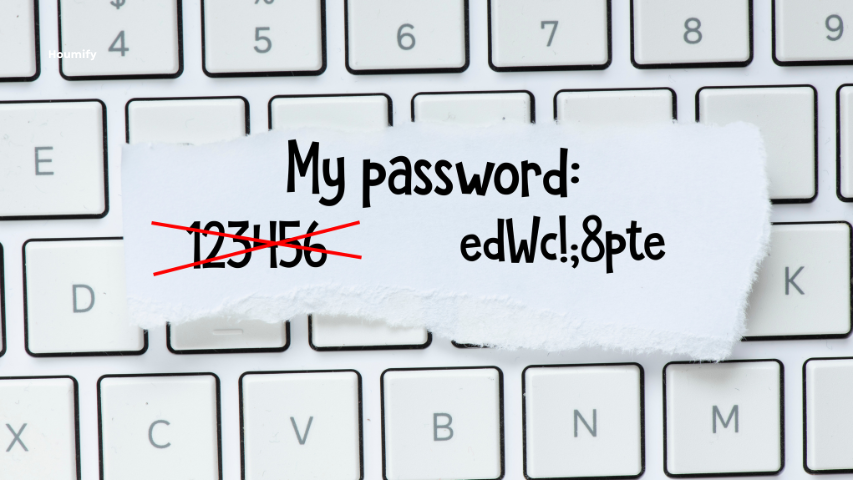
Responding to a Cyber Incident
Despite your best efforts, a breach can still happen. Know the steps to take immediately to mitigate damage:
- Notify Your Banks: Inform your financial institutions about any suspicious activity as soon as you detect it.
- Change Passwords: Update all passwords for your online accounts. Consider using a password manager to generate and store strong passwords.
- Monitor Credit Reports: Regularly check your credit reports for any irregularities, which could indicate identity theft.
Staying Informed: Continuous Education is Key
The cyber landscape is always changing, and it is critical to remain informed about the latest trends, new scams, and prevention techniques. Utilize resources from trusted organizations and stay current through news updates, webinars, or professional training seminars.
A proactive approach to learning about cybercrime can equip you with the knowledge needed to navigate potential threats effectively. Don't hesitate to share this information within your community to raise awareness and promote collective safety against cybercriminals.
In conclusion, cybersecurity is not only a technical issue but a community concern. Through education, awareness, and proactive measures, we can safeguard our financial information from the prying eyes of cybercriminals. Protecting your information doesn't just protect you; it also sets an example and encourages those around you to do the same.
If you're interested in understanding more about homeownership and its financial implications, you may want to check out Mastering Investment Property Refinancing: A Comprehensive Guide or explore Tax Breaks for Homeowners: Deductions and Credits Homeowners Can Use to Save Money.
Your cybersecurity awareness can prove invaluable in not just keeping your finances secure but also enhancing your overall quality of life in this digital age. Stay vigilant, continuously educate yourself, and share your knowledge with others to contribute to a safer online community.