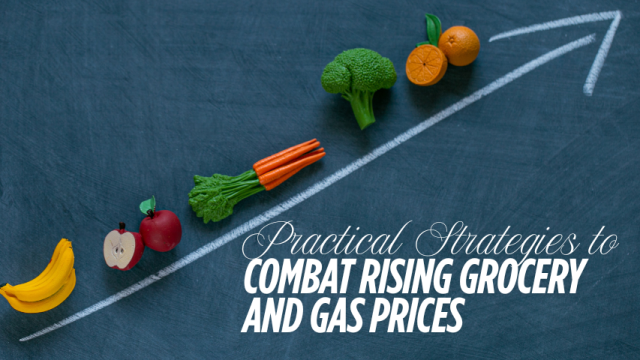

Practical Strategies to Combat Rising Grocery and Gas Prices
In today’s world, fluctuating prices at the grocery store and gas station can significantly impact our budgets and financial well-being. With inflation rearing its head, many households are feeling the squeeze, leading to heightened stress and a sense of urgency in making ends meet. However, navigating these challenges is not just about coping; it's about equipping yourself with strategies that can enhance your financial resilience long-term.
This article delves into actionable steps you can take to mitigate the effects of rising grocery and gas prices while focusing on sustainable practices that forge lasting skills. Whether you're a new homeowner, a seasoned property investor, or someone simply keen on managing their finances better, the strategies outlined here will help you make informed decisions and improve your financial literacy.
As we journey through the various methods of adapting to this economic climate, it’s essential to acknowledge that while these trying times may not last forever, the knowledge and skills you acquire from them can truly serve you for a lifetime. Let’s explore how to tackle these everyday costs efficiently.
Understanding the Impact of Inflation
Before diving into the solutions, it’s crucial to understand what is causing the increase in grocery and gas prices. Many factors contribute to inflation, including supply chain disruptions, increased demand post-pandemic, and global geopolitical tensions. These factors often lead to a markup in essential goods, including food and fuel.
• Supply Chain Challenges: The ongoing disruptions in global supply chains have resulted in sporadic shortages and delays. This can lead to prices soaring as stores struggle to keep shelves stocked.
• Geopolitical Factors: Issues such as wars and sanctions can heavily affect fuel prices, making them volatile and unpredictable.
By understanding the causes of price increases, you can better strategize on ways to mitigate their impact.
Smart Shopping Strategies to Counteract Grocery Price Increases
Grocery shopping is something we do regularly, and even minor changes in how we shop can yield substantial savings over time. Below are some practical methods to consider:
- Meal Planning: Planning out meals for the week can prevent impulse buys and help you utilize all items purchased. Stick to your list of required ingredients to minimize waste.
- Buy in Bulk: Purchasing non-perishable items in bulk can save you money. Look for bulk bins or wholesale prices on items you frequently use.
- Embrace Seasonal Produce: Seasonal fruits and vegetables are often cheaper and fresher. Locate nearby farmer's markets to score better deals and support local agriculture.
Implementing these grocery strategies will not only save you money but will also contribute to making healthier food choices.
Efficient Fuel Management Techniques
Gas prices fluctuating wildly from week to week can be a source of frustration—not just for our wallets, but for our schedules. Here are ways to manage fuel costs:
- Consolidate Trips: Plan your errands and appointments to minimize driving. The less you’re on the road, the more you save on gas.
- Use Fuel Comparisons Apps: Leverage technology! Apps that compare local gas prices can direct you to cheaper options.
- Maintain Vehicle Health: Regular maintenance can improve your vehicle's fuel efficiency, saving you money in the long run.
By taking these steps, not only will you conserve fuel, but you’ll also prolong the lifespan of your vehicle.
Long-term Financial Strategies
In addition to these immediate tactics, consider adopting long-term financial practices. These strategies help prepare for future fluctuations:
- Build a Budget: Develop a comprehensive budget to track your spending. Include fluctuating costs like groceries and gas to get a better view of your monthly expenses.
- Create an Emergency Fund: Saving a portion of your income can provide a buffer during tough times. Aim for at least three to six months' worth of expenses.
- Invest in Home Improvements: Implementing energy-efficient upgrades in your home can lower utility costs and overall expenses.
These steps pave the way for better financial stability in the face of economic shifts.
Conclusion: Equip Yourself for the Future
The tailspin of grocery and gas prices demands a mindfulness in spending. However, by utilizing effective shopping strategies and making conscientious decisions, you can soften the blow to your budget. Remember that with effort and consistency, adapting to rising costs can lead to stronger financial habits.
While these challenging times may not last forever, the skills you develop in budgeting, planning, and prioritizing will stay with you for years to come. Apply what you’ve learned here, and watch as you navigate these changes with increasing confidence and competence.
If you're looking for more insightful reading, explore the following articles for a deeper dive into financial literacy and real estate management:
- Finding the Perfect Real Estate Agent: Comprehensive Guide
- The Ultimate Guide to Home Improvement Strategies Maximizing Your Property's Value
- Guide to Starting a Vegetable Garden: Tips for Growing Your Own Food at Home
Adapt, learn, and thrive despite fluctuating prices—reach out if you need personalized assistance navigating your financial journey!