
How a Single Mom Designed an ADU While Preserving a 60-Year-Old Tree
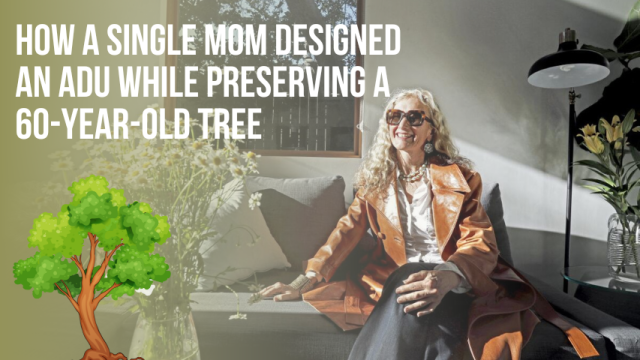
As the need for affordable housing continues to grow, many individuals are exploring innovative ways to increase living space without compromising the environment. One such innovative solution is the construction of Accessory Dwelling Units (ADUs). The story of a struggling single mom who successfully built an ADU while thoughtfully preserving a 60-year-old tree reveals how thoughtful design and determination can pave the way for sustainable living solutions.
Architect Isabelle Duvivier, known for her focus on eco-friendly architectures, was enlisted to tackle this unique challenge. Her approach to designing an ADU was not just about providing additional living space; it was also about harmonizing the new structure with the existing landscape, notably a towering tree that had become both a symbol of resilience and a central garden feature. This article will unpack the journey of this single mother and her architect, exploring the fascinating aspects of ADU construction while preserving nature.
The significance of this narrative extends beyond mere personal triumph; it highlights broader trends in real estate and housing development. By constructing an ADU, she not only increased her property value but also contributed to a growing movement towards sustainable living. For those contemplating similar projects, understanding the intricate interplay between architecture, nature, and community can offer insightful lessons.

Understanding Accessory Dwelling Units (ADUs)
Accessory Dwelling Units, commonly referred to as ADUs, are secondary housing units located on the same lot as a primary residence. These units can take various forms, including basement apartments, garage conversions, or entirely new small homes built in the backyard. The appeal of ADUs is twofold: they provide affordable housing options and increase property value.
However, building an ADU comes with its unique set of challenges. Regulations can vary significantly by location, often requiring permits, inspections, and considerations for zoning laws. Furthermore, the environmental impact of construction must be meticulously optimized to avoid harming existing flora and fauna. Duvivier’s project exemplifies a thoughtful approach in this regard.
Preserving Natural Elements During ADU Construction
One of the most admirable aspects of Duvivier’s design was her commitment to preserving the 60-year-old tree. Trees play crucial roles in the ecological balance, offering shade, beauty, and improved air quality. When constructing an ADU, it’s vital to conduct an initial site analysis to determine the impact of new structures on existing trees and vegetation.
-
Tree Preservation Techniques:
- Establishing a root protection zone to avoid soil disturbance.
- Using construction methods that minimize digging and ensure stability.
- Incorporating landscaping techniques that complement the tree’s growth.
By implementing these strategies, Duvivier was able to integrate the ADU not only into the existing environment but enhance the overall aesthetic of the property, illustrating that development does not have to come at the expense of nature.
Benefits of Building an ADU
The benefits of constructing an ADU extend beyond environmental conservation. Common advantages include:
- Increased Property Value: An ADU significantly boosts property resale value.
- Rental Income: Homeowners can rent out the unit, generating additional income.
- Multi-Generational Housing: ADUs offer a solution for families needing extra space for aging parents or young adults.
- Lower Environmental Impact: Sustainable building practices reduce the ecological footprint.

Best Practices for Building an ADU
For anyone considering building an ADU, there are some best practices to follow:
- Research local zoning laws and permits necessary for construction.
- Consult with an experienced architect, like Isabelle Duvivier, to ensure sustainable practices are integrated into the design.
- Consider the design aesthetic, ensuring it complements both the main home and the existing landscape.
- Plan for the future, considering how an ADU can adapt to changing family needs.
Conclusion: Realizing Dreams through Sustainable Practices
The journey of this single mom in building an ADU while preserving a cherished tree serves as a beacon of hope and inspiration. It proves that with the right planning, dedication, and help from professionals like Strong>Isabelle Duvivier, it’s possible to enhance your living conditions without sacrificing the essence of the environment.
A growing number of individuals are recognizing the value of integrating ADUs into their properties. The prospect of increased income, housing flexibility, and environmental sustainability makes it a worthwhile investment for homeowners everywhere.
For those interested in further exploring the world of ADUs and sustainable housing, consider reading about Understanding Realtor Earnings: A Comprehensive Guide, Debunking Common Myths About Home Buying: Separating Fact from Fiction, and Oakland Energy Efficiency Rebates: A 2025 Homeowner’s Guide to gain a more comprehensive understanding of the market and available resources.