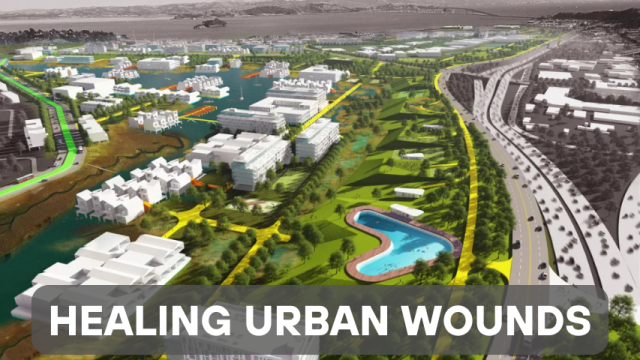

Healing Urban Wounds: How One Bay Area City is Transforming After a Failed Freeway Project
The Bay Area is known for its stunning landscapes, vibrant communities, and innovative spirit. However, beneath the surface of this dynamic region lies a complicated history of infrastructure projects that have left deep scars on neighborhoods and communities. When plans for a major freeway were abandoned, hundreds of homes suddenly became available, prompting discussions about healing and revitalizing a community that had long been affected by the shadow of urban development. In this article, we will explore how one Bay Area city is transitioning from a project that never took off to a vibrant community full of potential and opportunity.
In the decades that followed the announcement of the freeway, residents faced the uncertainty of living near a proposed construction zone. There were plans for government-funded highways that would change their lives significantly—both for better and worse—as the community grappled with the emotional and practical implications of this ever-looming construction project. Abandoned construction projects may be a common denominator in cities across the nation, yet how a community reacts to such a setback can truly define its resilience and character.
Today, the story of this Bay Area city is one of hope, renewal, and the potential for positive change. Previous risk to the community’s homes and environment has eventually been replaced with fresh opportunities for investment, development, and community-led initiatives. In the following sections, we will dive into the journey of this city from despair to rebirth and explore the various community engagement strategies that are being employed to heal the scars left behind.
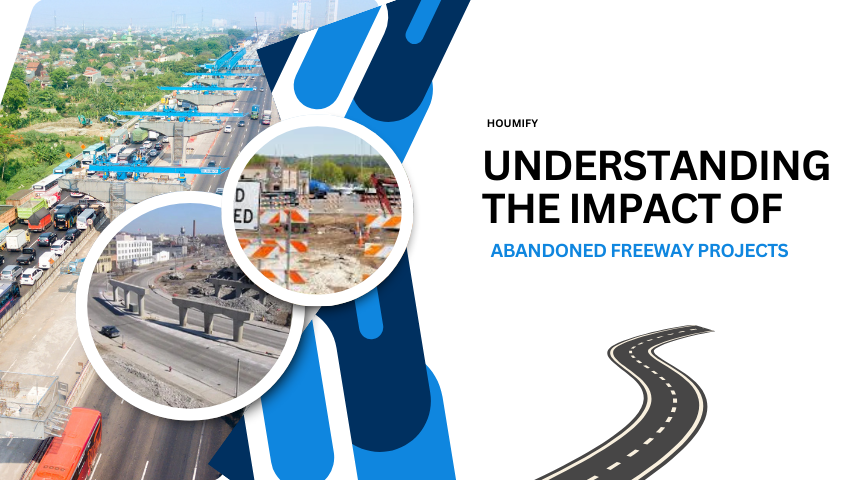
Understanding the Impact of Abandoned Freeway Projects
When a freeway project is proposed, it often brings with it a promise of growth and prosperity. However, the reality is that many highway plans do not come to fruition, leaving communities in a limbo-like state—caught between hope and uncertainty. In this Bay Area city, residents felt the dual effects of anticipation and anxiety as their homes remained in the shadow of unfinished plans.
The abandonment of such projects can lead to a variety of unintended consequences:
- Economic implications: Streets and neighborhoods should be protected against unwanted commercial encroachment, yet some homes may find themselves undervalued after a proposed project falls through.
- Community fragmentation: Long-term uncertainty about infrastructure developments can lead to a decline in community engagement, as the constant change makes residents feel disconnected from their own neighborhoods.
- Environmental concerns: Land that was designated for roads often remains barren and neglected, leading to ecological risks that can adversely affect local wildlife.
The Process of Healing: Community Engagement and Revitalization
As the scars of abandoned highway projects begin to fade, communities must actively work towards healing by engaging residents and promoting local initiatives. Many Bay Area cities are turning to inclusive community engagement programs that bring together residents, local businesses, and city planners.
In this particular Bay Area city, revitalization efforts include:
- Community Workshops: Regular meetings where residents can voice their concerns and ideas help create a shared vision for the community’s future.
- Local Art Installations: Transforming vacant lots and abandoned properties through public art not only beautifies the area but also fosters community pride.
- Green Space Development: Repurposing plots for parks and recreational areas offers residents spaces to relax and encourages a sense of belonging.
Examples of Successful Initiatives
Numerous initiatives have emerged in the name of community healing. One noteworthy example is the creation of a community garden that activates a previously blighted area, providing not only fresh produce but also a space for gatherings and events. The local schools have also stepped in, collaborating with city officials to incorporate civic education in their programs, involving younger generations in the growth and sustainability of their neighborhoods.
Statistics reveal promising trends. Data shows that cities that have invested in community-led revitalization witness not only improved property values but also increased local business engagement. The past five years have seen a steady rise in home sales, underscoring a shift away from the shadows of abandoned plans.
Lessons Learned and the Path Forward
The journey from freeway abandonment to community revitalization teaches us critical lessons about resilience, adaptability, and the power of community. Simply put, urban planning is about people. Engaging residents in conversations about their community can lead to innovative solutions that foster long-term growth and architectural beauty.
As the scars of the past heal, this Bay Area city sets a powerful example for others grappling with similar dilemmas. By valuing the voices of residents and investing in their shared visions, urban areas can rise above the foundations of forgotten projects and emerge stronger than ever.
Conclusion
The narrative of this Bay Area city’s evolution is more than just a timeline of plans that didn’t materialize; it serves as a beacon of the collective strength found in the community. It showcases the possibility of rebirth from disappointment and is a testament to the spirit of local initiative.
As communities across the nation face their histories of urban scars, let this story resonate: healing takes time, but with commitment and collaboration, vibrant neighborhoods can emerge from the remnants of failed projects.
If you’re interested in similar topics, you may want to check out some related readings:
- How Public Transportation Projects are Shaping the North Carolina Housing Market
- Understanding Ballot Measures: Impacts on Real Estate and Taxpayers
- Unlocking Success with Real Estate Agent Podcasts: A Comprehensive Guide
It’s crucial to engage in discussions about these transformations and continue fostering community-based growth. Learn more about these dynamics by reaching out to a local expert or exploring resources that can help you navigate your unique real estate journey.