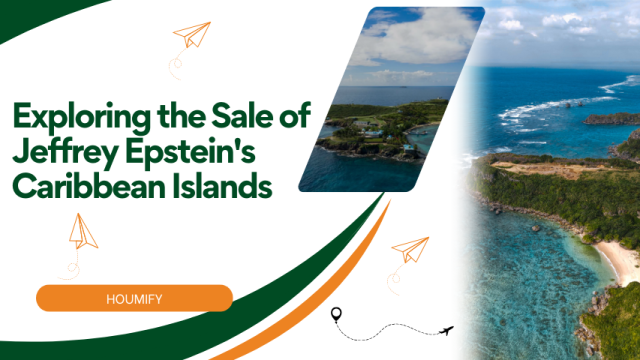

Exploring the Sale of Jeffrey Epstein's Caribbean Islands
Jeffrey Epstein's notorious past has come to haunt the real estate market once more with the listing of his two Caribbean islands, including the infamous Little St. James Island, now available for $125 million. This article will delve into the implications of this sale, exploring the historical context of these properties, potential buyers, market trends, and the ethical considerations that accompany them.
Little St. James Island gained a dark reputation due to its association with Epstein and the scandals that surrounded him. This property, along with the nearby Great St. James Island, presents a unique but troubling opportunity for potential buyers. As we explore this transaction, it is crucial to understand the potential benefits for investors and the societal implications intertwined with purchasing such high-profile real estate.
The offering price presents a significant investment opportunity, but is it worth it given the title's history? This article seeks to provide a thorough analysis of the properties, assess the current real estate landscape in the Caribbean, and offer guidance for those interested in making such an investment.
The History Behind Little St. James Island
Little St. James Island, once a private retreat for Epstein, has become a symbol of his illicit activities. The stigma attached to properties like this can deter potential investors, but in reality, it can also lead to opportunities to acquire luxury real estate at lower prices. Interestingly, amid the controversy, there is a market for properties with complex histories, where buyers see the potential for redevelopment or reinvention.
This region of the Caribbean, particularly the U.S. Virgin Islands, is known for its beauty and exclusivity, attracting high-net-worth individuals. Although the island's sordid past looms large, its natural beauty and potential for transformation could entice a buyer ready to rebrand its reputation.
Market Trends for Caribbean Real Estate
The Caribbean real estate market is witnessing interesting trends, influenced by factors such as location, luxury demand, and global economic conditions. Demand for unique beachfront properties has remained steady, with wealthy buyers seeking exclusive retreats. The Caribbean islands have become coveted locations for remote work combined with leisure, and properties like Little St. James are perfectly positioned to attract affluent buyers looking for more than mere investment.
Furthermore, the processing of real estate deals is often expedited in these regions, enticing foreign buyers. Understanding the regulatory environment is paramount for anyone considering a purchase in this region, especially for properties like Epstein's islands that may draw scrutiny.
Imagining the Future of Epstein's Islands
Imagining a future for Little St. James and Great St. James Islands involves more than simply looking at their past. For investors, it is essential to envision how these properties could not only serve as homes or vacation getaways but also how they might be reimagined as holistic experiences or community-oriented projects.
Renovations and transformations could help neutralize negative associations while capitalizing on the islands' idyllic settings. Ideas could range from creating eco-resorts that promote sustainability to luxury rehabilitation retreats that focus on wellness. The possibilities are as vast as the horizon from these islands.
Conclusion: Navigating the Ethics of Investment
Investing in properties like those owned by Jeffrey Epstein is fraught with ethical questions. Potential buyers must think critically about their motivations and the implications of their purchases. This isn't just about financial investment; it's about the narrative they will participate in moving forward.
As these islands go on the market, they remind us of the complex intersections of wealth, power, and moral responsibility. Engaging in such a purchase is not purely transactional; it requires a thoughtful approach to both the very real and perceived impacts on community and culture.
For those intrigued by the prospect of acquiring these unique assets, understanding the local landscape and the gravity of this historic moment is key. A thorough due diligence process, encompassing legal, environmental, and reputational considerations, is essential for educated decision-making.
If you’re contemplating diving into the Caribbean real estate market or are interested in properties with significant backstories, consider this comprehensive guide to real estate wire fraud prevention for safe transactions. Additionally, exploring how to choose the best moving companies for long-distance relocations and understanding the differences between a realtor and a real estate agent can also aid you in your journey to making smart real estate choices.