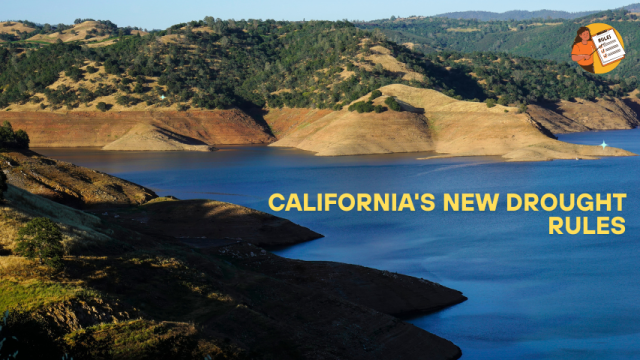

California's New Drought Rules: What Homeowners Need to Know about Water Conservation
As drought conditions continue to threaten the landscape of California, the State Water Resources Control Board has introduced new regulations aimed at curtailing water waste throughout the state. These measures, enacted with the serious mandate to preserve our invaluable resources, target specific behaviors frequently classified as wasteful, such as hosing off driveways, overwatering lawns, and washing cars without utilizing a shutoff nozzle. Such regulations are not merely guidelines; they come with significant financial penalties for those who choose to disregard them, potentially reaching up to $500 for violations.
The significance of these regulations cannot be overstated. California has been grappling with severe drought conditions for years, and even with the recent precipitation that might suggest a respite, state officials insist the urgency for conservation is as relevant as ever. The new regulations encompass several key prohibitions, such as:
- Watering lawns within 48 hours following rainfall
- Using potable water to clean sidewalks or driveways
- Watering public medians or landscaped patches without necessary exemptions
- Using decorative fountains unnecessarily
This systematic approach to water conservation not only preserves our water supply but also fosters an awareness among residents regarding sustainable practices. Sean Maguire from the water board expressed that these regulations reflect common-sense actions that all Californians can adopt.
The Role of Homeowners and Associations in Water Conservation
One targeted aspect of the new rules affects homeowners' associations (HOAs). Traditionally, many HOAs have enforced strict landscaping requirements that often necessitate excessive watering. However, under the new regulations, these associations no longer have the authority to fine residents who choose to reduce their water usage or limit watering their lawns. This is a landmark policy shift in the housing community towards supporting water conservation rather than penalizing individuals for responsible actions.
Moreover, while the regulations maintain a focus on urban areas, the impact on agricultural practices remains a topic of concern. Critics argue that without addressing the agricultural use of water—which accounts for nearly 80% of California's water consumption—the effectiveness of urban water regulations may be limited. This highlights the necessity for comprehensive policies that encompass all facets of water usage, including farming.
The Financial Implications of Water Waste Fines
Violating the new water conservation laws could lead to hefty fines, with a stipulated maximum of $500 for significant infractions. While the intention behind implementing such fines is to deter behaviors that waste water, officials have made it clear that they don't aim to add financial stress onto low-income households. During the last severe drought, enforcement mechanisms leaned towards education rather than punitive measures.
In response to concerns regarding the financial burden of potential penalties, the regulations have incorporated provisions that allow for flexibility based on an individual's ability to pay. Local agencies are anticipated to play a pivotal role in enforcement, opting for solutions that prioritize community engagement rather than rigid penalty structures.
Effective Water Conservation Strategies for Homeowners
For California homeowners, adapting to these new regulations presents an opportunity to implement effective water-saving techniques that not only comply with the law but also encourage sustainable practices for the environment.
Here are a few strategies for effective water conservation:
- Smart irrigation systems: Invest in smart irrigation controllers that utilize local weather data to optimize watering schedules, ensuring that you only use water when absolutely necessary.
- Native plants: Landscape with drought-resistant plants that require minimal watering. Such plants thrive in California's climate and can minimize the necessity for regular irrigation.
- Rainwater harvesting: Set up systems to collect rainwater that can be reused for outdoor watering—this provides an excellent secondary benefit of reducing your overall water consumption.
- Mulching: Apply mulch around plants and in gardens to retain moisture in the soil longer, cutting back on how often you need to water.
By implementing these strategies, homeowners not only ensure compliance with regulations but also contribute positively to sustaining California’s water resources.
The Broader Impact of Water Regulations on Community and Environment
While the new regulations primarily target water waste and urban consumption, their broad implications touch every aspect of Californian life. From local businesses relying on water and enforcement mechanisms impacting community relations to the environmental benefits derived from collective action towards conservation, the long-term perspective of these efforts cannot be understated.
Ultimately, these regulations reflect a changing attitude towards our environmental responsibilities amid climate change, shedding light on the importance of developing efficient practices now to safeguard California's future. As community members come together, support each other, and reinforce the message of conservation, they pave the way for a future where water is abundant and resources are respected.
Conclusion: The Path Forward in Water Conservation
California's new drought rules signify more than just restrictions; they stand as a pressing reminder of the water challenges we face. By promoting responsible practices and adopting innovative solutions, homeowners and communities can lead the charge in water conservation, ensuring sustainable use for generations to come. These regulations are a call to action; it is crucial for citizens to embrace this initiative.
In conclusion, adapting to these conservation measures is paramount in not just avoiding fines but also playing a vital role in community welfare and environmental preservation. The essence of these new rules lies not only in enforcement but also in fostering a culture of water conservation across California.
For further reading and information on this important topic, consider exploring articles such as Home Automation 101, or learn how water scarcity impacts construction projects with Water Scarcity Impact on Construction Projects in Phoenix.
Additionally, familiarize yourself with DIY home repairs which can enhance efficiency and value by visiting DIY Repairs Every Homeowner Should Know.