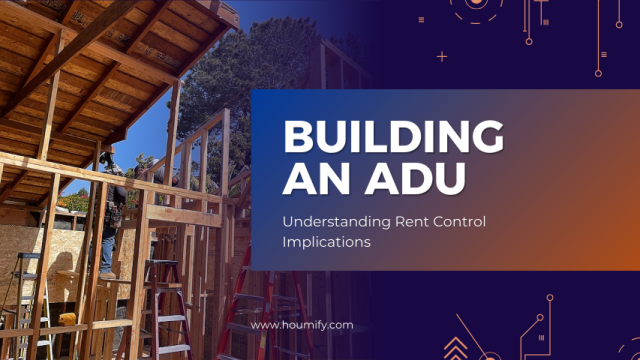

Building an ADU: Understanding Rent Control Implications
Building an Accessory Dwelling Unit (ADU) can be a savvy investment and an effective way to increase housing availability in your community. However, along with the advantages of having an additional living space, there are significant considerations you should be aware of, particularly regarding rent control laws that may impact your property. This thorough article dives into what you need to know about ADUs and rent control, so you can make informed decisions before embarking on your construction project.
The growing popularity of ADUs stems from the urgent need for more affordable housing options. As homeowners look to maximize their properties, many often overlook crucial legal implications—such as whether their home will fall under rent control regulations—once they build an ADU. Understanding these laws not only protects your investment but also contributes to fair housing practices.
In this article, we're going to explore what rent control means in various contexts, the exemptions that might apply to ADUs, and how you can protect yourself as a property owner. Our aim is to guide you through every facet of ADU construction in relation to rent control, ensuring that you’re well-equipped to navigate any hurdles that may arise.

Understanding Rent Control and Its Application
Rent control refers to laws and regulations that limit the amount a landlord can charge for renting out a home or apartment. These measures are designed to keep housing affordable, especially in high-demand areas, and they often come with various stipulations about when and how much rent can be increased. In many jurisdictions, rent control applies to traditional residential leases, but the application of these laws can vary significantly when it comes to ADUs.
ADUs—often referred to as mother-in-law suites or secondary suites—are purposefully designed to provide additional living space on an existing property. This could be a basement apartment, a converted garage, or a separate structure in the backyard. While many state and local laws don't impose rent control provisions on ADUs, it's essential to understand how these laws apply to the primary dwelling on the same property.
Rent Control in Different Locations
As policies can vastly differ based on your location, research is crucial. Here are some general insights into how rent control may vary:
- State Legislation: Some states have laws exempting newly constructed ADUs from rent control regulations altogether. These laws are crafted to incentivize homeowners to build new housing.
- Local Ordinances: Various cities have specific measures that might include veteran-owned projects or eco-friendly constructions within their exemptions for rent control.
- Type of Unit: In many jurisdictions, if an ADU is built as part of a new construction project, it may not fall under rent control, provided the primary home is also not governed by rent control.
The Impact of Building an ADU on Existing Rent Control Regulations
Speaking as a seasoned real estate agent, it's essential to understand how building an ADU can alter the rent control status of the primary dwelling on the same property. Here are a few key points to consider:
- Possible Rent Control Status Change: In some cases, when you add an ADU to your property, the local regulations may classify it as a multi-unit property, which might then subject the entire property to rent control laws.
- Tenant Protections: If your primary unit is rent-controlled, adding an ADU can give new tenants rights that prevent you from easily raising rents.
- Legal Requirements: Familiarize yourself with local regulations and ensure that your ADU complies with all zoning laws, as exceeding regulations can trigger rent control applicability on the entire property.

Protecting Yourself Against Rent Control Regulations
As you prepare to build your ADU, consider the following strategies to ensure you are protected against potential rent control implications:
- Consult Local Regulations: Always check with local planning departments about ADU guidelines to understand what regulations apply to your situation.
- Speak with a Real Estate Attorney: Having legal advice can help to clarify complex laws and help avoid unintentional implications of rent control.
- Talk to Real Estate Professionals: Engaging with an experienced real estate agent can provide you with insights into current trends that affect ADU construction and rent control implications.
Key Takeaways
Building an ADU promises numerous benefits, from additional rental income to accommodating family members. However, navigating the complexities of rent control regulations is critical. Key considerations include the laws in your area, the possible impact on your primary dwelling, and understanding how local ordinances interact with state regulations.
If you're considering building an ADU, remember to consult experienced professionals and obtain all necessary permits. This approach will help ensure your new construction remains a valuable asset rather than an unforeseen burden plagued by rent control stipulations.
For further reading on related topics, check out these articles: Winter Fire Safety Tips, The Benefits of Insulation and Weatherization, and Santa Clara County Real Estate Report.
In closing, if you're ready to take the leap, reach out to a local real estate agent who can help guide you through the process of building your ADU while managing potential rent control challenges effectively.