
A Homeowner's Guide to Saving on Insurance in Fire-Prone California
Californians living in fire-prone areas face unique challenges when it comes to home insurance. The fire season is growing longer each year, and along with it, the intensity of wildfires is increasing, making it more difficult for homeowners to find affordable insurance. Many residents struggle to secure coverage at all. This scenario not only impacts homeowners but also poses significant risks to communities that are unprepared for such disasters. Understanding how to manage insurance premiums effectively is crucial for anyone living in these vulnerable areas.
In response to these challenges, state officials have introduced the “Safer from Wildfires” framework aimed at improving fire safety and reducing losses. The goal extends beyond merely saving lives; it also targets the stabilization of insurance premiums and broadening coverage availability. To achieve these aims, the framework lays out a series of upgrades and preventive actions that homeowners can implement, along with community-focused efforts to reduce risks collectively. By following this guide, homeowners can not only fortify their properties against potential fire threats but also position themselves as responsible insurance candidates.
This article will delve into practical steps that homeowners can take to harden their homes against wildfires, potential financial assistance, community resources, and actionable strategies to potentially lower insurance rates. By arming yourself with knowledge and resources, you can better navigate the intricacies of living in a fire-prone environment.
Understanding the Fire Risk in California
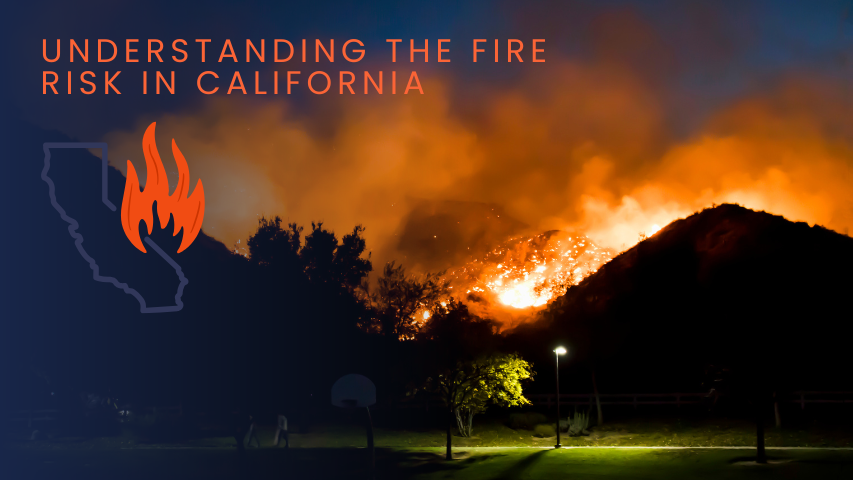
California is characterized by its diverse landscape, which allows for beautiful homes, but this comes at the cost of natural disasters like wildfires. Each year, thousands of acres are scorched, compromising homes and lives. The current trend of climate change exacerbates these risks, lengthening the wildfire season. As insurance companies experience increased losses due to wildfires, many have become more selective about providing coverage. In fact, according to the California Department of Insurance, a report noted that nearly 40% of homeowners in fire-prone areas are facing cancellations or non-renewals of insurance policies. This statistic underscores the urgency of property hardening.
For homeowners, the key is understanding the factors that insurance companies assess when determining coverage eligibility and rates. Key considerations include:
- Proximity to high-risk zones: Homes located near dense brush, trees, or historical fire zones are viewed as more susceptible.
- Home hardening measures: Houses equipped with fire-resistant materials and landscapes play a significant role in reducing risks.
- Local community efforts: Areas actively participating in wildfire prevention strategies can help to decrease premiums.
By taking proactive measures for fire safety, homeowners can significantly influence their insurance prospects.
Basic Home Hardening Techniques
The state’s “Safer from Wildfires” framework recommends several structural upgrades to help protect your home. Here are six foundational steps homeowners can take to enhance their property’s resistance to wildfires:
- Replace roofing with fire-resistant materials: Consider using Class A material such as slate, tile, or metal that can withstand extreme heat.
- Install tempered glass windows: These can resist high temperatures and prevent breakage from flying embers.
- Create defensible space: Maintain a clearance of at least 100 feet around your home where vegetation is reduced and low-flammability plants are planted.
- Properly maintain landscaping: Use plants that are drought-resistant and low in oils and resins to minimize fire risks.
- Secure vents to prevent ember entry: Use metal mesh or screening on vents and chimneys to prevent fires from spreading inside.
- Inspect and remove dead or dried vegetation: Regularly check your yard for dried bushes or trees that can easily ignite.
These upgrades range in cost, with some requiring professional installation while others can be DIY projects. For detailed suggestions, consult Cal Fire’s site for a comprehensive approach to hardening your home.
Community Involvement and Resources
It's essential to recognize that while individual efforts are crucial, community engagement enhances the effectiveness of fire prevention strategies. Cal Fire stresses that homeowners’ safety upgrades can be significantly undermined if neighbors ignore fire hazards on their properties. Therefore, neighborhoods can partner with local fire safe councils to collectively improve safety efforts. Communities focusing on wildfire defense can also gain recognition from insurance companies, leading to potential discounts on homeowners' policies.
Counties such as Marin have set up specific funds to assist homeowners in making necessary upgrades for fire safety. This kind of community initiative allows for shared resources and increased likelihood of securing funding for fire-hardening projects. Homeowners in need of guidance can reach out to their local fire safe councils, which are invaluable resources in developing wildfire plans, educating community members, and executing larger protection projects.
For example, the Marin Wildfire Prevention Authority grants aid for home hardening and defensible space projects, promoting cooperative efforts that elevate fire safety for everyone involved.
Financial Assistance Programs
Finding financial support for fire-hardening projects can be a struggle, especially for those with limited budgets. Fortunately, there are various options available that homeowners can explore. The California Office of Emergency Services offers grants targeted for low- and moderate-income households to help mitigate wildfire risks. While these programs might currently be limited to certain counties, they are expected to gain traction and offer more comprehensive support in the future.
Additionally, the agency provides a $100-million grant program aimed at assisting vulnerable communities with disaster-related needs. Funds are dedicated to establishing defensible spaces and retrofitting structures, enhancing the overall safety and stability of those neighborhoods.
It’s advisable to stay updated with local government initiatives as they may introduce programs aimed at reimbursing homeowners for making fire-resistant improvements that would otherwise seem financially unattainable.

Conclusion: Taking Charge of Your Fire Safety
In conclusion, navigating the insurance landscape while living in a fire-prone area can be daunting. However, by implementing the recommended upgrades and contributing to community efforts in wildfire mitigation, homeowners can not only ensure safer environments for themselves and their families, but also significantly improve their chances of securing affordable insurance coverage. Gaining insights into the available grants and financial assistance programs can also make a substantial difference in implementing necessary safety measures.
Take the time to educate yourself on local fire safety initiatives and consider collaborating with neighbors to foster a sense of community responsibility. By strengthening your home against fire threats and connecting with community resources, you position yourself as an informed homeowner ready to face the challenges of living in California's wildfire landscape.
For more comprehensive guidance on insurance-related topics, check out articles like How to Choose the Right Home Insurance Policy or The Ultimate Guide to Choosing a Real Estate Agent. Through proactive measures and community efforts, you can safeguard your property and possibly save on your insurance rates.