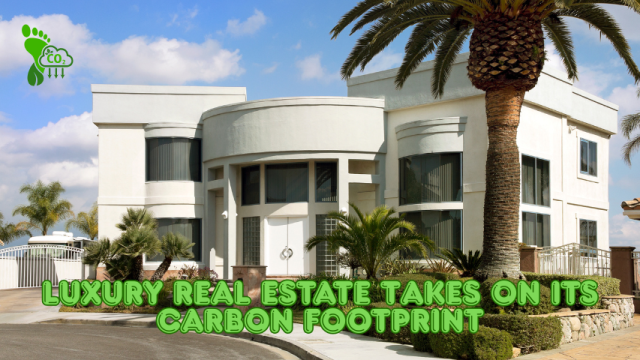

The luxury real estate market is often seen as a beacon of opulence and excess, but in recent years, it has gotten increasingly engaged in dialogues regarding sustainability and carbon footprints. As concerns about climate change and environmental degradation continue to mount, the real estate sector, especially in the luxury segment, is being called to task to reduce its substantial impact on the environment.
The built environment is responsible for a staggering share of the world's carbon emissions, accounting for nearly 40% of energy-related emissions. This figure highlights why addressing the carbon footprint of luxury properties has become an urgent priority. Wealthy buyers and investors are beginning to recognize that sustainability is not just a trend but a necessity that can also enhance property value and desirability.
This article will explore the innovative strategies luxury real estate is adopting to minimize its carbon footprint, the role of technology and eco-friendly materials, and the potential benefits for investors. We will also discuss the changing preferences of luxury homebuyers and highlight successful case studies of sustainable luxury properties. Grasping these concepts will help both buyers and sellers make more informed choices that align with eco-conscious values.
The Shift towards Sustainable Luxury Real Estate
Real estate agents and developers are starting to understand that sustainability can go hand-in-hand with luxury. This shift is largely driven by a new generation of affluent buyers who prioritize environmental responsibility in their purchasing decisions. Many are motivated by a sense of social responsibility as well as a desire for properties that offer energy efficiency and lower operating costs.
Luxury real estate developers are increasingly investing in sustainable building practices and technologies. This includes the implementation of green building certifications such as LEED, which ensures that buildings meet specific standards for environmental performance. Properties with such certifications often command higher prices and sell more quickly than their traditional counterparts.
Moreover, luxury buyers are now turning to features that were once considered “nice to have,” such as solar panels, energy-efficient windows, and smart home systems that optimize energy use. These features not only reduce the energy footprint of the home but can lead to significant cost savings over time.
Innovations and Technologies Reducing Carbon Footprint
The integration of technology in luxury real estate plays a significant role in reducing its carbon footprint. Smart home technologies enable homeowners to manage energy consumption more efficiently. For example, smart thermostats can learn a homeowner's routine and optimize heating and cooling systems accordingly, leading to substantial energy savings.
Additionally, new construction materials made from renewable resources or recycled materials, such as bamboo flooring and repurposed steel, are becoming increasingly popular. Not only do these materials reduce the carbon footprint of the building process, but they also promote sustainability as a core value of luxury properties.
Innovative design strategies also help to harness natural resources effectively. For instance, passive solar design can help to maximize the use of natural light and minimize the need for artificial lighting and heating. Incorporating large windows, skylights, and proper ventilation can optimize the energy efficiency of a property without sacrificing aesthetics.
The Financial Benefits of Going Green
Investing in sustainable luxury properties not only contributes positively to the environment but can also be a wise financial decision. Eco-friendly homes tend to have lower utility bills and operate at a lower cost over time. In many regions, governments are also offering financial incentives for homeowners who invest in green technologies, such as tax rebates for solar installations or energy-efficient upgrades.
Moreover, as the demand for sustainable living options increases, luxury properties that are attuned to these values are seeing a positive impact on their market value. Owners can often command a premium for homes with eco-friendly certifications and features, making sustainability not just a personal choice but a financially sound one as well.
Furthermore, the recent rise in environmental consciousness among high-net-worth individuals has created a niche market for luxury homes with sustainable features, further driving demand and pricing dynamics.
Case Studies in Sustainable Luxury Real Estate
Several high-profile luxury developments have successfully integrated sustainability into their designs, showcasing the potential for eco-friendly luxury real estate. For instance, the One Central Park project in Sydney features green rooftops and vertical gardens that not only enhance the aesthetics of the property but also help to improve air quality and reduce urban heat.
In California, developments like The Barlow showcase sustainable practices by using reclaimed materials and designing structures with energy efficiency in mind. These projects have successfully appealed to a market segment that values both luxury and environmental responsibility.
Additionally, high-end properties equipped with electric vehicle charging stations and energy-efficient home automation systems have emerged as a selling point for affluent buyers who desire convenience and sustainability.
Conclusion: The Future of Luxury Real Estate
In conclusion, the luxury real estate market is undergoing a significant transformation as it confronts its carbon footprint. The integration of sustainable practices and innovative technologies not only meets the demands of environmentally conscious buyers but also enhances property value and marketability.
As the built environment continues to evolve, luxury real estate must focus on reducing carbon emissions to align with global sustainability goals. Both buyers and sellers are encouraged to consider the long-term benefits of investing in eco-friendly properties, ensuring that they are part of a solution that creates a more sustainable future.
If you want to learn more about how the real estate market is adapting to provide more environmentally friendly options, check out our related articles like The Impact of Online Searches on Real Estate Pricing, Unlock Savings with Los Angeles Energy Rebates, and Future Trends: Energy Rebates and Incentives for California Homeowners in 2025. Together, we can make informed decisions that not only elevate our lifestyle but also protect the planet.