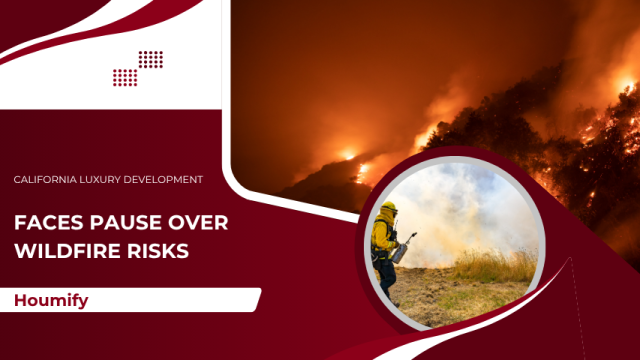

California Luxury Development Faces Pause Over Wildfire Risks
The looming shadows of wildfires have again intersected with development ambitions as a controversial luxury project in Lake County, California, has been paused due to environmental and safety concerns. This decision confirms a growing recognition of the risks posed by climate change in real estate planning, particularly in areas historically threatened by wildfires. The proposed 16,000-acre Maha Guenoc Valley development, once hailed as a game-changer for local employment and economy, now faces scrutiny over the critical issues of evacuation routes during emergencies.
In the summer of 2020, local officials celebrated the approval of the Guenoc Valley development, anticipating job creation and economic influx as the site transformed into a luxurious destination blending boutique hotels, elite residences, and recreational amenities. However, the massive undertaking was challenged following the LNU Lightning Complex fire, which highlighted the vulnerabilities of the area's emergency evacuation infrastructure.
The fire engulfed the development’s only evacuation route, a narrow highway coursing through challenging terrain, prompting fears that a future wildfire could lead to devastating bottlenecks. As Judge J. David Markham stated, the influx of an estimated 4,070 new residents could create severe congestion during evacuations, recalling the tragic consequences experienced in Paradise during the 2018 Camp Fire. This pause, ordered by a state court, not only affects the Guenoc Valley project, but also serves as a bellwether for future development in wildfire-prone areas across California.
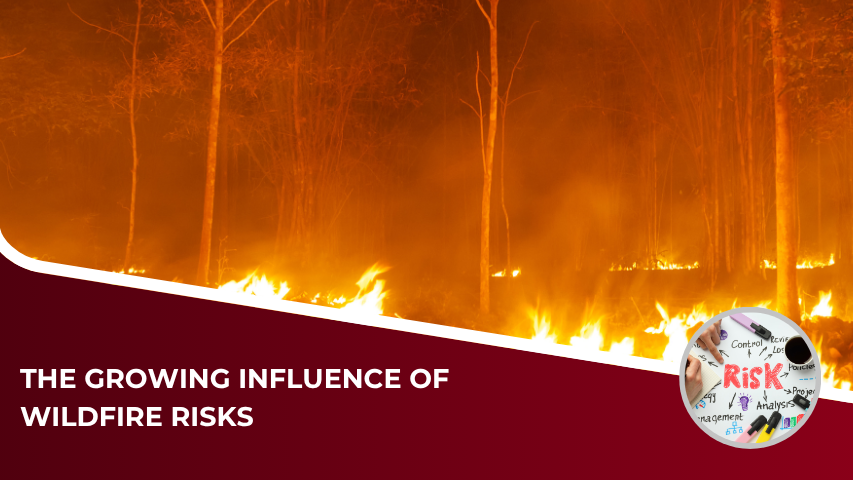
The Growing Influence of Wildfire Risks on Real Estate Development
The ruling against the Guenoc Valley project is part of a broader trend where California’s courts are increasingly holding developers accountable for inadequate safety assessments relating to wildfires. This development halt aligns with similar recent judicial decisions in San Diego County and Los Angeles County that have thwarted projects due to mounting fire risks.
Environmentalists and safety advocates champion the ruling as a necessary measure to reassess land use policies in the context of a warming climate. With over 95% of California’s wildfires ignited by human activity, the question of land use in vulnerable areas is more pressing than ever. As Professor Stephanie Pincetl from UCLA’s Institute of the Environment noted, the state cannot afford to perpetuate land development patterns that ignore these escalating threats.
Critically, the decision will likely compel developers and local governments to rethink their approaches. There is now a resonance that ambitious projects cannot overrule the necessity for safety and adequate planning for wildfire evacuations, thereby reshaping the development landscape in California.
Lessons from Previous Disasters: The Case for Thoughtful Development
The aftermath of the 2018 Camp Fire and other destructive wildfires has illuminated the paramount importance of prioritizing safety in real estate development. Homebuyers, investors, and developers alike must recognize that risk mitigation forms an integral part of property investment today. With climate change underpinning many of these concerns, the integration of wildfire prevention strategies within development plans becomes not only obligatory but also a savvy business decision.
In the Guenoc Valley’s case, already flanked by a history of wildfires, the development team had proposed a comprehensive wildfire prevention plan that included creating fire breaks, utilizing grazing animals for vegetation management, and installing high-tech fire detection systems. However, despite these efforts, the risk associated with increased population density and limited evacuation routes was deemed unacceptable by the courts.
As Judge Markham pointed out in his ruling, the reality is stark: the additional pressure on limited evacuation routes during wildfire emergencies could lead to increased human suffering. It's essential for future developments to not only promise economic boosts but also integrate exhaustive risk assessments and safety measures accordingly.
Moving Forward: A Shift in Development Ethics?
The conversation surrounding the Guenoc Valley project highlights a critical juncture in real estate ethos. Policymakers, developers, and communities must navigate the balance between making land commercially viable and safeguarding residents from the dangers that come with increasingly unpredictable wildfire seasons. County representatives have already begun assessing their options, eager to see how future developments might adapt in line with public safety.
Rather than perceiving the ruling as merely unfavorable, stakeholders might consider it a learning opportunity—a chance to innovate and develop properties that enhance community safety while contributing positively to the local economy.
As local Supervisor Moke Simon expressed, halting development entirely is not the answer; rather, the focus should shift towards creating effective strategies that address housing needs while considering potential wildfire hazards. Rethinking development in this context may usher in more resilient and responsible practices that not only comply with legal requirements but also foster safe and thriving communities.
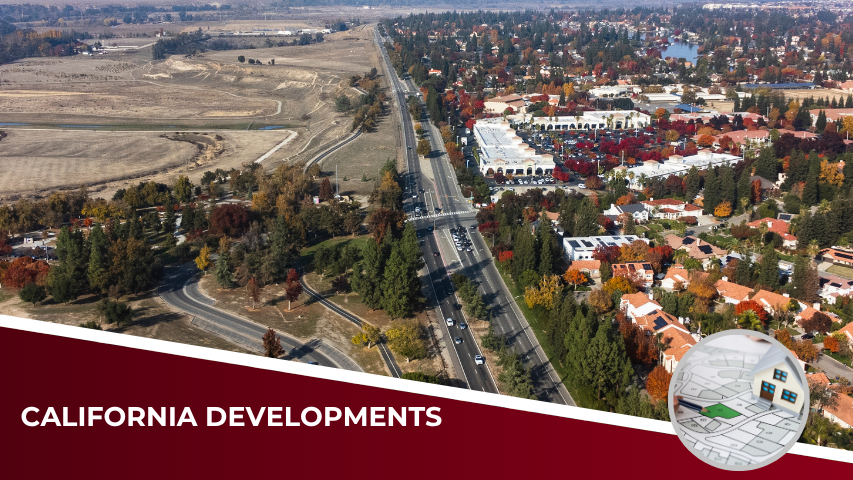
Conclusion: The Path Ahead for California Developments
The challenges posed by this ruling and others like it are part of a broader dialogue about responsible development in the face of climate change. The question remains: how can we build for the future while ensuring safety and sustainability?
For homebuyers and investors, this evolving landscape suggests a need for deeper due diligence when considering properties in wildfire-prone areas. The shifting legal and environmental standards are crucial indicators of future property values and risks.
If you are a potential homebuyer searching for opportunities in real estate, understanding the implications of environmental factors is vital. For sellers and developers, now is the time to align your projects with emerging safety standards and community expectations.
Explore more on these topics by reading about the Top U.S. Regions Prone to Wildfires, or learn about housing affordability challenges in California. Also, see how recent judicial decisions may affect your investments in real estate by checking out Understanding Ballot Measures.