
Tackling the Bay Area's Missing Middle Housing Crisis
The term "Missing Middle" is increasingly used in discussions about housing shortages, particularly in urban settings like the Bay Area. This demographic encompasses individuals who do not fit neatly into traditional housing categories—largely dominated by luxury or affordable housing—but rather include middle-income earners, essential workers, and young professionals. The challenge lies in providing adequate housing solutions for this segment, especially as the region contends with skyrocketing real estate prices and limited availability of workforce housing.
In the Bay Area, where tech giants and high salaries have driven housing prices far beyond the reach of many, the struggle to house the "Missing Middle" sheds light on the broader housing crisis. Experts suggest it's a multifaceted issue, requiring a long-term commitment of nearly 20 years to expand and diversify the housing supply. This article delves into the challenges facing Bay Area housing, explores the implications of the missing middle phenomenon, and suggests actionable steps that can be taken to tackle this pressing issue.
The significance of addressing this housing gap cannot be overstated. With many essential workers such as teachers, nurses, and service industry professionals being priced out of the market, the very fabric of the Bay Area's community is at risk. The workforce that fuels the local economy is increasingly commuting from far away or foregoing home ownership altogether, leading to a host of social and economic consequences.
Understanding the Concept of the Missing Middle
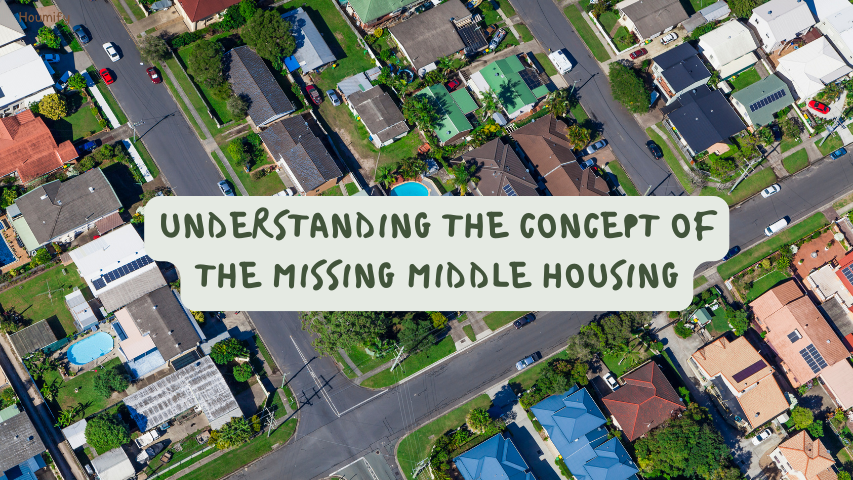
The "Missing Middle" refers to a spectrum of housing options that typically includes townhouses, duplexes, triplexes, and affordable apartments that cater to moderate-income populations. These housing types are essential as they provide homes for individuals who earn too much to qualify for subsidized housing yet too little to afford to compete for single-family homes in highly sought-after neighborhoods.
Statistics show that a considerable portion of the Bay Area's workforce is falling into this "missing" category. For instance, a report from the The Trilemma of Affordable Housing indicates that as housing prices continue to rise, fewer options remain for these households. With median home prices soaring into the millions, aspiring homeowners face daunting barriers, pushing them further away from housing stability.
Additionally, zoning laws and land-use policies in many Bay Area cities have historically favored single-family homes, which restrict the development of medium-density housing that would benefit the missing middle. These outdated policies must be revisited to allow for more diverse housing options.
The Economic Impact of the Housing Shortage
Not only is the lack of housing for the missing middle detrimental to individual lives, but it also has a broader economic impact. A thriving workforce is essential for business growth, and when employees struggle to secure affordable housing, it can lead to increased turnover rates, lower employee morale, and difficulties attracting talent to the area.
According to a recent study, the Bay Area stands to lose an estimated $2 billion annually due to the housing shortfall impacting the workforce. These numbers are not just budgetary implications; they tell a story of lost opportunities, strained community resources, and mounting traffic congestion as long-distance commuting becomes the norm.
Real estate developers, policymakers, and community stakeholders are beginning to recognize the consequences of ignoring this crisis. For example, local governments are being pressured to create more inclusive policies around new developments. The current climate suggests that incentives for developers to include affordable units in their new projects could be one solution to help bridge this gap.
Long-term Solutions and Strategies
Tackling the missing middle housing crisis in the Bay Area will require collaboration and innovation. It’s not merely about increasing supply but doing so effectively and equitably. Here are some strategies that can be implemented:
- Incentivizing Development: Offering financial incentives to developers who include middle-income housing in their projects can stimulate interest and increase supply.
- Revising Zoning Laws: Local governments should consider revising existing zoning regulations to allow for higher density developments, making it easier to build townhouses and apartments in traditionally single-family neighborhoods.
- Community Engagement: Engaging communities in the planning process to ensure that developments meet the local needs and preferences, thus fostering acceptance and support for new housing projects.
- Long-term Planning: Local agencies must adopt a comprehensive and long-term approach to regional housing policy that plans for growth and anticipates community needs over the next two decades.
These strategies represent just a starting point. Collaboration among government, private sectors, and community organizations will be necessary for creating a tangible impact.
Conclusion: A Call to Action
As the Bay Area grapples with the urgent need for workforce housing, it's evident that addressing the shortage for those in the "Missing Middle" requires time, commitment, and a willingness to change. Overcoming the barriers to housing demand action and a partnership between various stakeholders invested in the community's well-being.
For those interested in investing in the real estate market, now is an ideal time to remain informed about the nuances of housing trends. As initiatives roll out and policies adapt, understanding the landscape will be crucial in navigating the market successfully. If you’d like further insights on navigating the real estate market, visit Understanding Yield Trends and Buyer Opportunities in Real Estate for comprehensive analysis.
Let's unite to advocate for a housing market that is inclusive and supportive of all residents, ensuring that the Bay Area remains a vibrant place for all its inhabitants. Interested in learning more or seeking professional guidance? Contact a local agent today to understand how to navigate the housing landscape effectively.