

2022 Housing Market: Will It Continue To Bubble Or Will It Burst?
The 2022 housing market has raised a multitude of questions among buyers, sellers, and investors alike. Following the unprecedented disruptions of the pandemic and the drastic changes in economic conditions, the landscape of real estate has seen a sharp shift in dynamics. As we look ahead, the pressing question remains: will the market continue to bubble, or is a burst imminent? Drawing on historical context and current trends, this article will explore the factors influencing the market's trajectory, from demand and supply issues to economic indicators.
To understand the intricacies of the housing market in 2022, it is crucial to recognize the variables at play. Unlike the 2007-08 housing crisis, characterized by rampant speculation and subprime mortgages, today’s market illustrates a combination of low inventory and soaring demand. This contrast points towards a less likely risk of a significant market crash, which is encouraging for potential buyers and current homeowners. In this article, we will delve into the reasons behind these changes, examining both macroeconomic trends and localized conditions influencing today’s market.
Throughout this article, we will provide insights aimed at helping consumers navigate this complex environment. Whether you are a first-time homebuyer, a seasoned investor, or looking to sell your property, understanding the underlying factors that drive market behavior will empower you to make informed decisions. From analyzing current home prices to predicting future trends, this thorough exploration will serve as a strategic guide to the 2022 housing market.
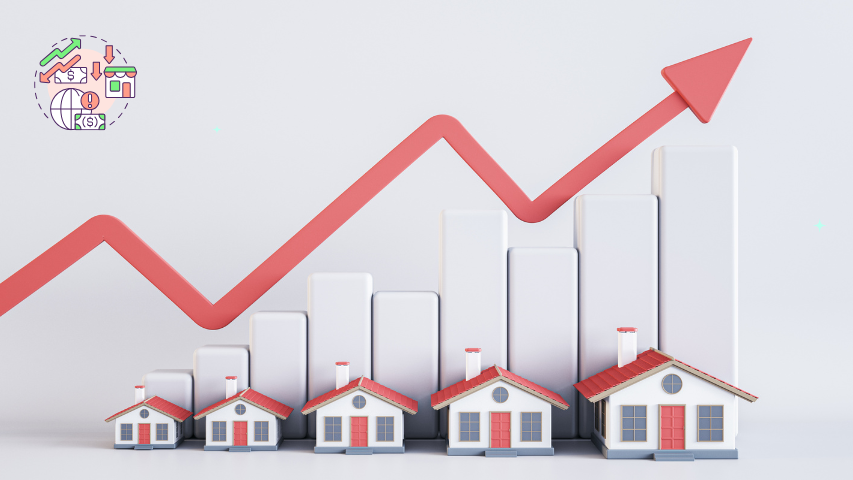
Understanding the Factors Driving Home Prices
One of the most significant factors determining the trajectory of the housing market is the balance between supply and demand. Currently, we are witnessing an acute shortage of homes for sale. According to the Affordable Housing Market Analysis, the total number of listings has decreased substantially compared to previous years, creating a competitive environment that drives prices up.
Moreover, with interest rates remaining relatively low, there is growing urgency among buyers to purchase homes while conditions are favorable. This combination of factors—persistent buyer demand coupled with declining housing inventory—strongly suggests that home prices will continue rising until supply catches up.
The Role of Economic Indicators
Understanding the broader economic landscape is crucial when evaluating the housing market. For instance, job growth and consumer confidence play vital roles in determining housing demand. In recent months, many regions have experienced recovery in job markets post-pandemic, contributing to consumer optimism. A sustained recovery in the labor market generally indicates a stable environment for home purchases. Furthermore, inflation trends have also influenced purchasing power, with some potential buyers pausing their purchases in light of rising costs.
Moreover, economic policies aimed at stimulating housing initiatives contribute positively to the market. Programs that provide assistance to first-time homebuyers, such as those outlined in the How to Qualify for an FHA Loan?, help sustain buyer interest and assist in offsetting affordability challenges.
The Future of the Real Estate Market
As we gaze into the future of the housing market, it’s essential to remain adaptable and informed about ongoing trends. Real estate professionals should encourage a pacing approach, advising clients to examine market fluctuations carefully. For buyers, it may still be possible to enter the market strategically, especially in regions where homes are listed below market value.
For sellers, understanding market metrics will empower them to position their homes effectively, ensuring they attract competitive offers. All in all, this evolving atmosphere is ripe for opportunities—those who remain informed and reactive will likely fare the best in this dynamic environment. For further insights, real estate agents might consider resources like Best Real Estate Podcasts for Agents and Brokers in 2024 to sharpen strategies.
Conclusion: What Lies Ahead?
As we close this exploration of the 2022 housing market, it becomes evident that the landscape remains vibrant with potential. While the fear of a bubble burst exists, the underlying factors contributing to the consistent demand for housing paint a more optimistic picture. Home prices are likely to continue rising, at least in the short term, due to persistent demand outpacing supply.
For individuals considering their next steps in the real estate market—whether buying or selling—maintaining an awareness of these trends is paramount. Those who engage with knowledgeable real estate professionals can better navigate this landscape and make decisions that align with long-term goals. If you're ready to explore your options, connect with a local agent today and start your journey in this bustling market.
Remember, the key to success in real estate lies in informed decision-making and proactive engagement within the market. If you would like to delve deeper into understanding your local housing market and the various financing options available, take advantage of resources like our complete guide on home equity loans and lines of credit.